Are you trying to decide between Shopify and WordPress for your website or online store? Choosing the right platform can feel overwhelming, especially when both promise powerful tools but serve different needs.
What if you could quickly understand how each one fits your goals, skills, and business style? You’ll discover the key differences between Shopify and WordPress—so you can make a confident choice that saves you time, money, and frustration. Keep reading to find out which platform matches your vision perfectly and helps your business thrive.
Shopify Basics
Shopify is a popular platform designed for online stores. It helps businesses sell products easily. Many users choose Shopify for its straightforward setup and reliable features. Understanding Shopify basics can help you decide if it fits your needs.
Platform Type
Shopify is a hosted e-commerce platform. This means it provides all tools and hosting in one place. Users do not need to manage servers or software updates. It is a complete solution for online selling.
E-commerce Features
Shopify offers built-in tools for product listings, payments, and shipping. It supports multiple payment methods and currencies. Users can also access marketing and sales reports. The platform is designed to support stores of all sizes.
User Interface
The user interface is simple and clean. Shopify uses a drag-and-drop editor for easy design changes. Beginners can create a professional store without coding skills. The dashboard shows sales, orders, and customer data clearly.

Credit: www.wordpressindia.co.in
WordPress Essentials
WordPress is a popular platform for building websites with a strong focus on content. It started as a blogging tool but has grown into a full content management system (CMS). This makes it ideal for sites that need regular updates, such as blogs, news sites, or portfolios.
Users have control over almost every part of their website. This flexibility allows for a wide range of uses beyond just e-commerce. WordPress can handle simple sites to complex ones with many features.
Content Management Focus
WordPress is designed to manage content easily. It allows users to create, edit, and organize posts and pages with simple tools. The editor uses blocks, making it easy to add text, images, and videos. This focus helps users keep their sites fresh and engaging without needing coding skills.
Customization Options
WordPress offers many themes to change a site’s look quickly. Users can also customize themes to match their brand colors and style. For deeper changes, coding knowledge helps, but many customizations are possible through settings alone. This freedom lets users create unique websites that fit their needs exactly.
Plugin Ecosystem
One of WordPress’s biggest strengths is its plugins. Plugins are small programs that add new features to a site. There are thousands available for free or purchase. They cover functions like SEO, security, contact forms, and e-commerce. Plugins let users extend their site’s abilities without building from scratch.
Key Differences
Understanding the key differences between Shopify and WordPress helps in choosing the right platform. Each platform serves different purposes and offers unique features. These differences affect how you build and manage your website or online store. Below, we explore the main aspects that set Shopify and WordPress apart.
Ease Of Setup
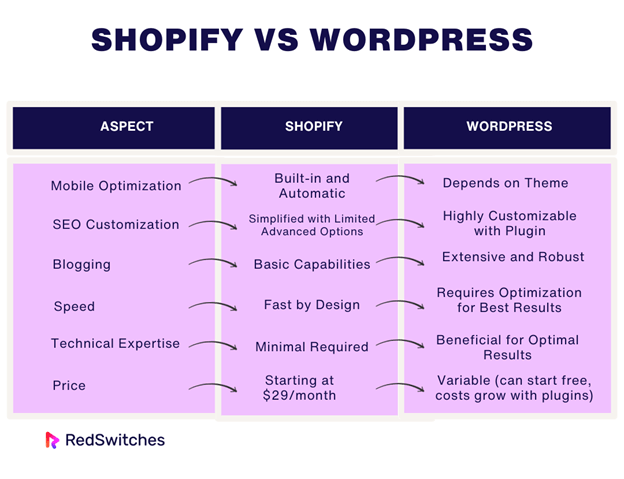
Shopify offers a simple and fast setup process. It provides all tools needed for an online store in one package. Users can start selling quickly without technical skills. WordPress requires more time to set up. You must install themes, plugins, and hosting separately. It may need some technical knowledge or help from a developer.
Flexibility And Control
WordPress gives full control over website design and functions. You can customize every part with themes and plugins. It supports various website types, not just e-commerce. Shopify focuses on e-commerce features. Customization is limited to what Shopify allows. It is less flexible but easier to manage for store owners.
Maintenance And Security
Shopify handles security and updates automatically. Users do not worry about backups or patches. WordPress users must manage security and updates themselves. This includes installing updates and backups regularly. WordPress offers more control but requires more effort to keep secure.
Credit: thimpress.com
E-commerce Capabilities
E-commerce capabilities define how well a platform supports online selling. Both Shopify and WordPress offer solid options. Each serves different needs depending on your business size and technical skills. Understanding these differences helps you choose the right platform.
Shopify’s All-in-one Solution
Shopify provides a complete e-commerce package. It includes hosting, security, and updates in one plan. The platform is user-friendly and requires no coding skills. Store setup is quick with built-in themes and tools. Shopify handles all technical aspects, letting you focus on sales.
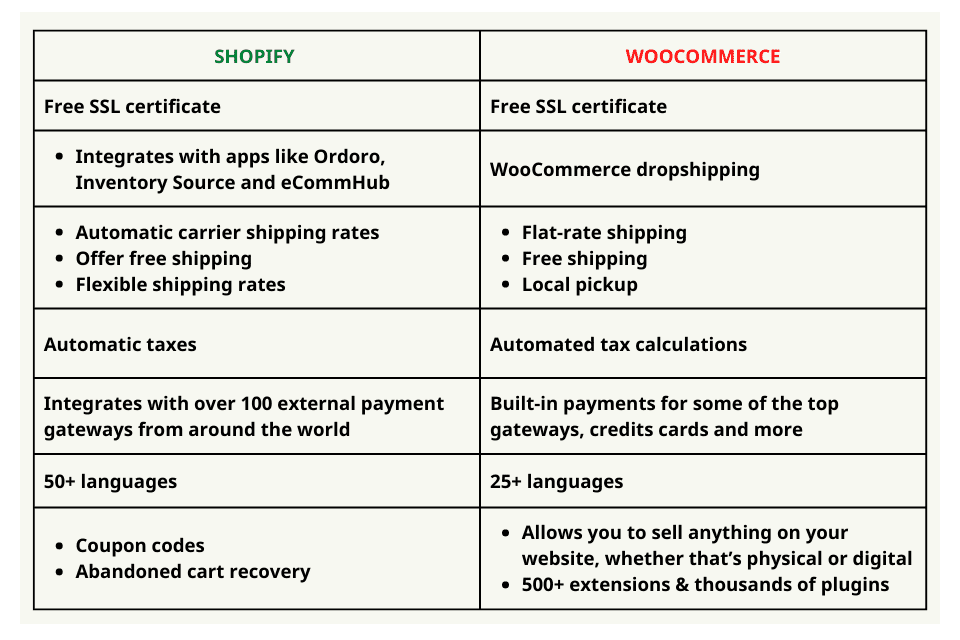
WordPress With Woocommerce
WordPress alone is a content platform, but WooCommerce turns it into a shop. WooCommerce is a free plugin that adds e-commerce features. It offers deep customization and control over your store. You need to manage hosting, security, and backups yourself. This suits users who want flexibility and control.
Payment And Shipping Options
Shopify supports many payment gateways without extra setup. It also provides easy shipping integrations and label printing. WooCommerce offers a wide range of payment methods through extensions. Shipping options can be customized but may require plugins. Both platforms cover basic e-commerce needs well.
Design And Themes
Design and themes shape the look of your website. They affect user experience and brand identity. Choosing the right platform depends on design flexibility and theme options. Shopify and WordPress offer different approaches to design. Understanding these differences helps you pick the best fit for your site.
Shopify Theme Options
Shopify provides a curated set of themes. These themes are crafted for e-commerce stores. They come with clean layouts and mobile responsiveness. Most themes focus on simplicity and sales. Users can buy themes from the Shopify Theme Store. Free themes are also available but limited in number. Each theme supports easy setup without coding skills.
WordPress Theme Variety
WordPress offers thousands of themes. These cover many styles and industries. Users can find free and premium themes. The variety suits blogs, portfolios, and shops. Themes come from WordPress.org and third-party developers. This vast collection allows unique site designs. Some themes focus on speed, others on visuals or features.
Customization Potential
Shopify themes allow basic customization. Users can change colors, fonts, and layout blocks. Advanced changes may require coding knowledge or developer help. WordPress themes offer deeper customization. Users can edit theme files and use page builders. Plugins add extra design features and functionality. WordPress suits users wanting full control over design.
Credit: www.shopscan.app
Seo And Content
SEO and content are essential for online success. They help your site rank higher on search engines. Better ranking means more visitors and potential customers. Both Shopify and WordPress offer tools to improve SEO and content management. Yet, they differ in approach and features. Understanding these differences guides you in choosing the right platform.
WordPress Seo Strengths
WordPress is known for its strong SEO capabilities. It offers many plugins like Yoast SEO and All in One SEO. These plugins help optimize meta tags, keywords, and sitemaps easily. WordPress also supports custom URL structures that improve search engine visibility. Users can create SEO-friendly content with full control over headings and keywords. It allows adding alt text to images, improving accessibility and SEO. The platform supports schema markup to enhance search results.
Shopify Seo Tools
Shopify provides built-in SEO tools that simplify optimization. It automatically creates sitemaps and robot.txt files. Shopify lets you edit meta titles, descriptions, and URLs directly. The platform optimizes site speed, which is crucial for SEO. Shopify generates clean code, helping search engines understand your site better. It includes SSL certificates to secure your site, boosting SEO rankings. However, Shopify’s SEO customization is less flexible than WordPress.
Blogging Features
WordPress started as a blogging platform, so its blogging tools are powerful. It supports categories, tags, and custom post types for better content organization. Users can schedule posts and manage multiple authors easily. WordPress allows embedding multimedia and customizing themes for unique blogs. Shopify includes basic blogging features but lacks advanced content management. It suits simple blogs but not large or complex content strategies. WordPress is better for those focusing on rich content and SEO.
Cost Comparison
Comparing the costs of Shopify and WordPress is important for choosing the right platform. Both have different pricing structures and expenses. Understanding these can help you plan your budget better.
Pricing Models
Shopify offers clear monthly plans starting from basic to advanced. Each plan includes hosting and security. WordPress itself is free, but you pay for hosting separately. Hosting costs vary depending on the provider and plan you choose.
Additional Expenses
Shopify charges extra fees for premium themes and apps. Payment processing fees apply unless you use Shopify Payments. WordPress requires buying themes and plugins for more features. You also need to pay for domain registration and SSL certificates.
Value For Money
Shopify gives an all-in-one service with less technical work. It suits users who want simplicity and support included. WordPress offers more control and customization but needs more effort and cost management. The best value depends on your skills and business needs.
Using Shopify And WordPress Together
Using Shopify and WordPress together offers a flexible approach. You get the power of Shopify’s e-commerce with WordPress’s strong content tools. This setup suits businesses wanting both a solid online store and engaging blog content.
The combination lets you manage products and content separately yet seamlessly. It also improves user experience by offering a clear, organized website structure. Below are some practical ways to use Shopify and WordPress together.
Shopify Plugin For WordPress
The Shopify plugin for WordPress lets you add products directly to your WordPress site. It is called “Sell on WordPress” and is free to install. You can display Shopify products and collections anywhere on your WordPress pages or posts.
All sales and inventory management stay in Shopify’s admin panel. This makes handling orders simple without leaving WordPress. It also keeps your online store secure and reliable by using Shopify’s system.
Running Separate Stores And Blogs
Another way is to run your store on Shopify and your blog on WordPress separately. Shopify handles all e-commerce features like payments and shipping. WordPress focuses on creating and managing blog posts and pages.
This method keeps each platform doing what it does best. Your store stays fast and secure with Shopify. Your blog remains flexible and easy to customize with WordPress. Visitors can enjoy smooth shopping and rich content.
Linking Sites Strategically
Linking your Shopify store and WordPress blog strategically helps users navigate easily. You can add clear links from your blog posts to your Shopify products. Or place links on your Shopify store to your WordPress blog for more content.
This approach improves SEO by creating more internal links between your sites. It also helps visitors find related products or useful articles quickly. Strategic linking boosts traffic and enhances the overall user experience.
When To Choose Shopify
Choosing the right platform for your online store depends on your needs and skills. Shopify offers a simple and efficient way to start selling online. It fits best for users who want a quick setup and easy management without technical hassles.
Shopify provides a streamlined path to get your store live. It handles hosting, security, and updates, so you can focus on your products. This section explains when Shopify is the better choice for your business.
User-friendly Setup
Shopify guides you through setting up your store step-by-step. No coding or technical knowledge is required. The platform offers ready-made themes and simple customization options. This means you can have a professional-looking store quickly.
The dashboard is clean and easy to navigate. Adding products, managing inventory, and tracking sales happens in one place. Shopify removes the complexity of website building, making it perfect for beginners.
All-in-one Management
Shopify combines hosting, payment processing, and security in one package. You do not need to find separate services or worry about compatibility. It handles SSL certificates automatically to keep your customers’ data safe.
Updates and backups happen behind the scenes. This reduces your workload and lowers the risk of technical errors. Shopify also offers 24/7 support to help with any issues that arise.
Small To Medium Stores
Shopify works well for stores with a moderate number of products. It scales smoothly as your business grows. The platform supports multiple sales channels like social media and marketplaces.
For large or highly customized stores, other platforms might be better. But for most small to medium businesses, Shopify balances ease and power. It lets you focus on sales and marketing rather than technology.
When To Choose WordPress
Choosing the right platform depends on your website goals and needs. WordPress suits those who want full control and flexibility. It works well for sites needing unique designs, rich content, and detailed SEO settings. This section explains when WordPress is the best choice.
Deep Customization Needs
WordPress offers unmatched customization options. You can change almost every part of your site. Themes, plugins, and custom code help tailor your site exactly how you want. This freedom suits businesses that want a unique look or special features. Shopify limits design changes to templates and apps.
Content-driven Sites
WordPress started as a blogging platform and still leads in content management. It handles large volumes of articles, pages, and media smoothly. Ideal for blogs, news sites, and educational content. You control how content is organized and displayed. Shopify focuses mainly on selling products, not on diverse content types.
Advanced Seo Control
WordPress gives you detailed SEO tools and plugins. You can optimize titles, descriptions, URLs, and more. It supports custom SEO strategies for higher search engine rankings. Shopify has built-in SEO but lacks deep customization. For businesses wanting full control over SEO tactics, WordPress is better.
Frequently Asked Questions
What Is Better, Shopify Or WordPress?
Shopify offers an easy, all-in-one e-commerce setup ideal for beginners. WordPress provides greater customization and SEO control with plugins like WooCommerce. Choose Shopify for simplicity and WordPress for flexibility and content management.
What Is The Disadvantage Of Shopify?
Shopify charges transaction fees unless using its payment system. It limits customization and can become costly with app add-ons.
Is Shopify Just Like WordPress?
Shopify is a hosted e-commerce platform, while WordPress is a flexible content management system. Shopify suits easy online store setup; WordPress offers deep customization with plugins. They differ but can integrate for combined e-commerce and content management.
Does Shopify Use WordPress?
No, Shopify does not use WordPress. Shopify is an independent e-commerce platform. You can integrate Shopify products into WordPress using plugins.
Conclusion
Choosing between Shopify and WordPress depends on your needs and skills. Shopify suits those wanting quick setup and simple management. WordPress works well for users needing full control and custom options. Both platforms have unique strengths for building websites or online stores.
Combining them can also offer the best of both worlds. Think about what matters most to your business before deciding. The right choice will help your site grow smoothly and attract visitors.