Are you struggling to find the right software to manage your accounting tasks efficiently? Whether you run a small business, freelance, or handle complex financial operations, choosing the right accounting software can make a huge difference in how smoothly your finances run.
You want a tool that’s easy to use, reliable, and tailored to your needs—something that takes the stress out of bookkeeping and lets you focus on growing your business. You’ll discover the most popular and effective accounting software options available today.
From simple spreadsheets to powerful enterprise solutions, we’ll help you find the perfect fit for your accounting purposes. Keep reading to unlock the secret to smarter, faster, and more accurate financial management!
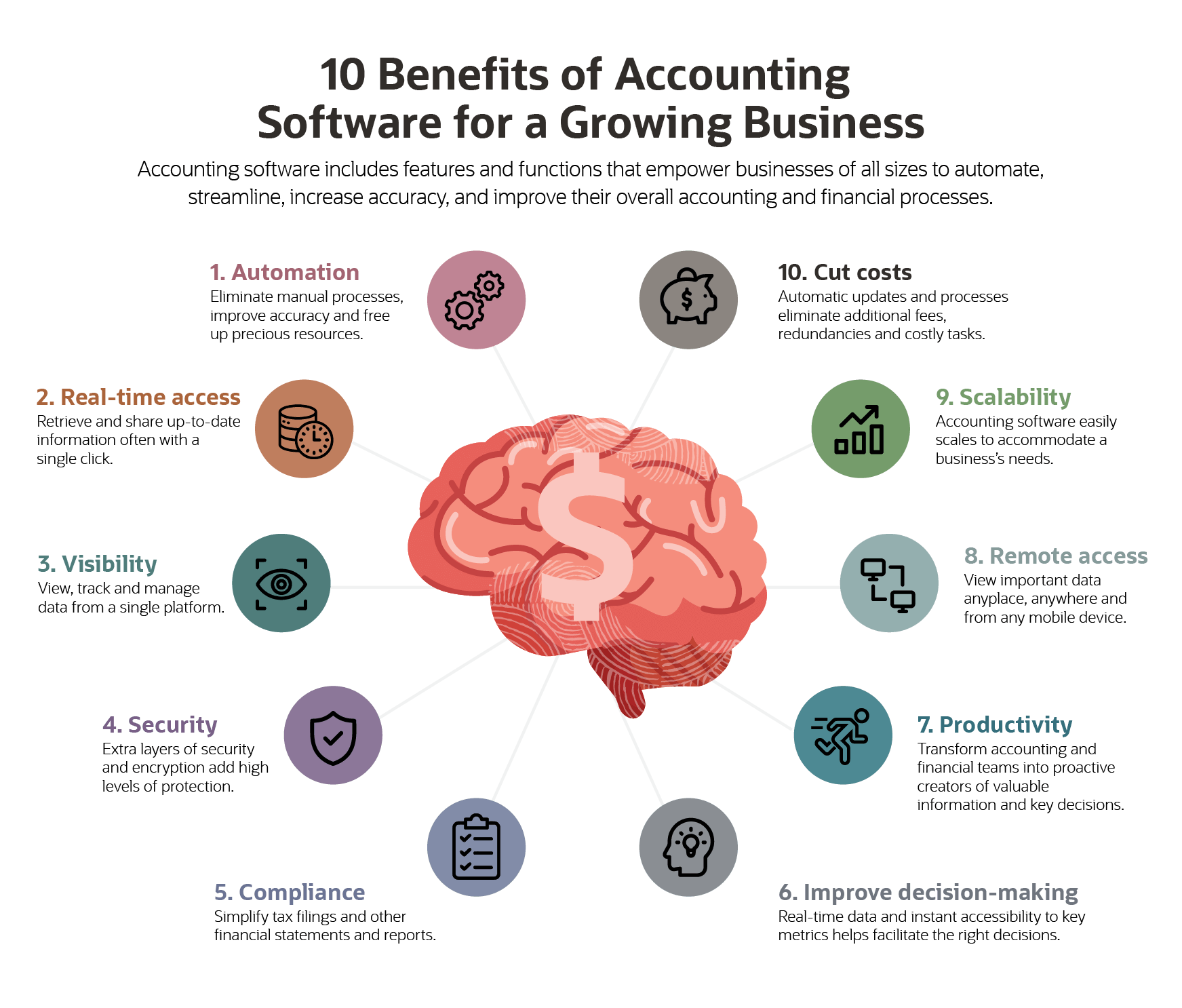
Credit: www.netsuite.com
General Accounting Tools
General accounting tools help manage financial data with ease and flexibility. These tools suit small businesses and individuals who need basic accounting functions. They allow users to track income, expenses, and prepare simple reports. These programs are not specialized accounting software but offer valuable support for everyday tasks. Microsoft Excel and Google Sheets remain popular choices among general accounting tools.
Microsoft Excel
Microsoft Excel is a powerful spreadsheet program widely used for accounting tasks. It lets users organize financial data in tables and perform calculations automatically. Excel supports formulas that simplify adding, subtracting, and averaging numbers. Users can create customized templates to fit specific accounting needs. It also allows generating charts and graphs to visualize financial trends. Excel works offline and integrates well with other Microsoft Office programs. Its flexibility makes it a preferred tool for many small business owners.
Google Sheets
Google Sheets is a cloud-based spreadsheet tool ideal for collaboration and remote access. Users can share accounting sheets easily with colleagues or accountants. It offers real-time updates, so multiple people can work on the same document simultaneously. Google Sheets has similar functions to Excel, including formulas and charts. It automatically saves changes, reducing the risk of data loss. Being free and accessible through a web browser adds to its convenience. Small businesses and freelancers often use Google Sheets for simple accounting tasks.
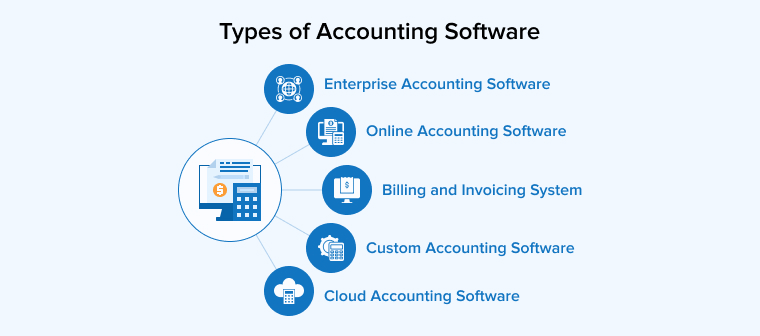
Credit: www.tatvasoft.com
Popular Accounting Software
Popular accounting software helps businesses manage their finances with ease. These programs simplify tasks like invoicing, expense tracking, and tax preparation. Choosing the right software depends on your business size and needs.
Many small to medium businesses prefer cloud-based solutions. These tools offer accessibility from any device and regular updates. Below are some widely used accounting software options.
Quickbooks
QuickBooks is a favorite for small businesses. It offers features like invoicing, payroll, and expense tracking. Its user-friendly interface suits beginners. QuickBooks also integrates with many other tools.
Xero
Xero is known for its clean design and powerful features. It supports bank reconciliation and real-time financial data. Small businesses and freelancers use Xero for its simplicity. It also offers strong mobile apps.
Freshbooks
FreshBooks focuses on invoicing and time tracking. It is perfect for freelancers and service-based businesses. FreshBooks simplifies billing clients and managing projects. Its dashboard is easy to navigate for new users.
Zoho Books
Zoho Books offers a full accounting suite with automation. It handles invoicing, inventory, and expense tracking. Zoho Books integrates well with other Zoho business apps. It suits growing businesses needing scalable solutions.
Patriot Software
Patriot Software provides simple accounting and payroll features. It targets small businesses and startups. The software offers clear reports and easy tax filing. Patriot Software is budget-friendly and straightforward.
Wave
Wave is free accounting software for small businesses. It includes invoicing, receipt scanning, and accounting reports. Wave is ideal for entrepreneurs with limited budgets. Its simple design helps users handle finances easily.
Enterprise Resource Planning Systems
Enterprise Resource Planning (ERP) systems integrate accounting with other business functions. They offer a unified platform for finance, inventory, sales, and more. Companies use ERP to manage all operations efficiently and reduce errors. These systems suit medium to large businesses with complex needs.
Netsuite Erp
NetSuite ERP is a cloud-based system popular for accounting. It automates financial processes like billing, invoicing, and reporting. Users can access real-time financial data anytime, anywhere. NetSuite helps companies improve cash flow and control expenses. It supports multiple currencies and tax rules, ideal for global businesses.
Sap Business Solutions
SAP provides ERP software with strong accounting features. It handles general ledger, accounts payable, and receivable efficiently. SAP integrates financial data with supply chain and human resources. Businesses get detailed reports to track financial performance. It suits large enterprises needing custom workflows and scalability.
Accounting Seed
Accounting Seed is an ERP system built on Salesforce. It offers flexible accounting tools for billing, budgeting, and audit trails. The platform adapts to various industries and business sizes. Users benefit from seamless integration with CRM and sales data. Accounting Seed enhances financial visibility and reduces manual work.

Credit: www.invoiceberry.com
Specialized Accounting Programs
Specialized accounting programs help businesses manage finances with ease. They offer features tailored to specific accounting tasks. These tools simplify billing, track expenses, and automate routine work. Using specialized software saves time and reduces errors. Small businesses to large firms benefit from these focused solutions.
Timesolv For Billing
TimeSolv focuses on billing and time tracking. It is popular among accountants and lawyers. The software helps record billable hours accurately. Clients receive detailed invoices quickly. TimeSolv supports project management and expense tracking. Its cloud-based design allows access from anywhere. Users find it easy to manage billing cycles. This program reduces manual entry and improves cash flow.
Accounting Automation Tools
Automation tools handle repetitive accounting tasks automatically. They manage invoicing, payments, and bank reconciliations. These tools reduce human errors and save hours of work. Many integrate with other business software for smooth data flow. Automation helps keep financial records up to date. Small teams can do more with less effort. These tools also generate reports to analyze business health.
Choosing Software By Business Size
Choosing the right accounting software depends greatly on the size of your business. Different business sizes have distinct needs and budgets. Small businesses require simple, affordable tools. Medium enterprises need more features and flexibility. Large corporations demand robust, scalable solutions that integrate with many systems.
Solutions For Small Businesses
Small businesses benefit from easy-to-use software with basic features. Programs like QuickBooks and Xero offer invoicing, expense tracking, and simple reports. These tools save time and reduce errors. They often come with affordable pricing and cloud access. Small business owners can manage finances without a professional accountant.
Options For Medium Enterprises
Medium enterprises require software with advanced capabilities. Features like inventory management, payroll, and multi-user access are important. Zoho Books and Sage 50 are popular choices. These programs handle more transactions and provide detailed financial analysis. Customization and integration with other business tools become necessary at this stage.
Software For Large Corporations
Large corporations need comprehensive systems to support complex operations. Enterprise Resource Planning (ERP) solutions like NetSuite and SAP offer full financial management. They integrate accounting with supply chain, human resources, and customer relationship management. These systems support large data volumes and multiple currencies. Large corporations also require strong security and compliance features.
Cloud-based Vs Desktop Software
Accounting software helps track finances and manage business records. Two main types exist: cloud-based and desktop software. Each type offers unique features suited to different business needs. Understanding their differences helps choose the right tool for accounting tasks.
Advantages Of Cloud Solutions
Cloud-based software stores data online. Users access information from any device with internet. Updates happen automatically, so users get new features fast. Cloud solutions allow multiple users to work together easily. Data backup is handled by the provider, reducing risk of loss. These programs often cost less upfront, using subscription plans. Cloud accounting suits businesses needing flexibility and remote access.
Benefits Of Desktop Applications
Desktop software installs directly on a computer. It works without internet access, making it reliable offline. Data stays on the local device, which some users prefer for privacy. Desktop programs usually offer faster performance since files are local. One-time payment options often exist, avoiding recurring fees. These applications suit businesses that want full control over data and software. Desktop software can handle complex accounting tasks with robust features.
Key Features To Consider
Choosing the right accounting software depends on several important features. These features help businesses manage finances efficiently and accurately. Understanding key functions makes it easier to pick software that fits specific needs.
Invoicing And Billing
Invoicing and billing are essential for tracking sales and payments. Good software allows easy creation and sending of invoices. It should support multiple formats and automatic reminders. Accurate billing helps maintain cash flow and reduces errors.
Inventory Management
Inventory management helps businesses keep track of stock levels. Software with this feature updates inventory automatically after sales or purchases. It prevents overstocking or stockouts by providing real-time data. This saves time and reduces manual work.
Multi-user Access
Multi-user access lets several team members work on the system simultaneously. It ensures collaboration without data conflicts. Permissions can be set to control who can view or edit information. This feature is vital for growing businesses with multiple employees.
Integration With Other Systems
Integration allows accounting software to connect with other business tools. It can link with payroll, CRM, or banking systems. This reduces manual data entry and errors. Smooth data flow improves overall efficiency and reporting accuracy.
Frequently Asked Questions
What Software Is Used In Accounting?
Accounting uses software like QuickBooks, Xero, Sage, and FreshBooks for invoicing, expense tracking, and inventory management. Excel and Google Sheets handle basic tasks. ERP systems like NetSuite and SAP support complex business needs. These tools simplify financial management for small to large businesses.
What Are The Three Main Types Of Accounting Software?
The three main types of accounting software are spreadsheet-based, dedicated accounting programs, and Enterprise Resource Planning (ERP) systems. Spreadsheet software like Excel offers basic accounting functions. Dedicated programs such as QuickBooks handle invoicing and expenses. ERP systems like NetSuite manage complex, business-wide financial needs.
Which Accounting Software Do Accountants Use?
Accountants use software like QuickBooks, Xero, Sage, FreshBooks, Zoho Books, and NetSuite. These tools simplify invoicing, tracking, and reporting. Microsoft Excel and Google Sheets also assist with basic accounting tasks. Choices depend on business size and complexity.
Which Accounting Software Should I Use?
Choose accounting software based on your business size and needs. QuickBooks suits small businesses; Xero supports multi-users. NetSuite fits complex enterprises. FreshBooks aids freelancers. Zoho Books offers comprehensive features for small firms. Select software that simplifies invoicing, expense tracking, and inventory management efficiently.
Conclusion
Choosing the right accounting software depends on your business needs. Simple tools like Excel and Google Sheets work for basic tasks. For more features, consider QuickBooks, Xero, or Sage. Larger companies often use ERP systems like NetSuite or SAP. Each software offers unique benefits for tracking finances and managing accounts.
Think about your budget, ease of use, and scalability. Good accounting software helps keep your records clear and accurate. This makes tax time and financial decisions easier. Select software that fits your skills and business size. The right choice supports your growth and saves time.