Are you wondering how to connect with your audience in a way that feels personal and effective? Email marketing tools are the secret weapons that can help you do just that.
These tools let you create eye-catching emails, send them to the right people, and track how well they perform. Whether you want to boost sales, share news, or build stronger relationships with your customers, understanding email marketing tools is essential.
You’ll discover what these tools are, why they matter, and how choosing the right one can make your marketing efforts easier and more successful. Ready to unlock the power of email marketing? Keep reading to find out how.
Email Marketing Tools Explained
Email marketing tools help businesses send emails to many people at once. These tools simplify creating, managing, and tracking email campaigns. They save time and improve communication with customers.
Understanding what these tools do can help you pick the right one. Each tool offers different features for different needs. Let’s explore the core functions and types of email marketing tools.
Core Functions
Email marketing tools have key functions that support campaigns. They let users design emails using easy drag-and-drop editors. Automation features schedule emails to send at the best times.
These tools manage email lists and segment contacts by interests or behavior. They track important data like open rates, clicks, and conversions. Reporting features help analyze performance to improve future campaigns.
Types Of Tools
There are several types of email marketing tools to choose from. Some focus on simple newsletters, ideal for beginners and small businesses. Others offer advanced automation for complex marketing workflows.
E-commerce tools integrate with online stores to send targeted product emails. CRM-based tools combine email marketing with customer management. Some platforms provide free plans with basic features for startups.
Top Platforms By Purpose
Choosing the right email marketing tool depends on what you want to achieve. Different platforms serve different purposes. Some excel in e-commerce, others in automation or newsletters. This section breaks down the top platforms by their main strengths. It helps you find the best fit for your needs.
E-commerce Favorites
Omnisend stands out for online stores. It connects easily with Shopify and WooCommerce. It also supports SMS marketing to boost sales. Klaviyo and Drip focus on customer behavior to personalize emails. These tools track purchases and help increase revenue effectively.
Best For Beginners
MailerLite offers a simple interface for new users. Its drag-and-drop editor makes email creation easy. Moosend is another affordable choice with beginner-friendly features. Constant Contact provides helpful templates and support. These platforms let beginners start without stress.
Advanced Automation
ActiveCampaign is known for powerful automation options. It integrates well with customer relationship management (CRM) systems. HubSpot combines email marketing with a full CRM platform. These tools help create complex email sequences and save time. They suit marketers who want detailed control.
Free Plan Options
MailerLite offers a generous free plan with many features. Omnisend also provides a free tier ideal for small businesses. Sender allows mass emailing without costs. Brevo (formerly Sendinblue) includes email and SMS in its free plan. These platforms help you start email marketing with no budget.
Newsletter Specialists
Mailchimp is popular for newsletter creation and design. It offers many templates and easy layout tools. Beehiiv targets creators focusing on newsletter growth. These platforms excel in delivering engaging content regularly. They help keep your audience informed and interested.
Key Features To Look For
Choosing the right email marketing tool means focusing on essential features. These features help create effective campaigns and save time. A good tool should be easy to use and powerful enough to meet your needs. Understanding key features guides you to the best choice for your business.
User Interface And Ease
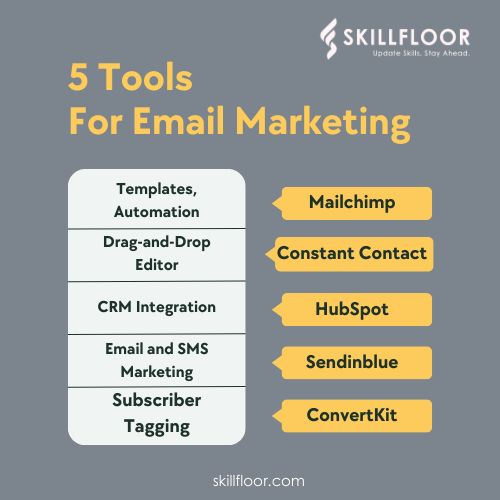
A simple and clear user interface speeds up your work. Look for drag-and-drop editors to build emails quickly. The tool should not require advanced skills or long training. Easy navigation helps you focus on creating content, not learning software.
Automation Capabilities
Automation saves time by sending emails automatically based on triggers. Features like welcome emails, cart abandonment reminders, and follow-ups are important. Check if the tool supports multi-step workflows and scheduling. Good automation keeps your audience engaged without extra effort.
Segmentation And Personalization
Segment your audience by interests, behavior, or location. Personalization improves open and click rates. Tools should allow you to add names, preferences, or purchase history in emails. The ability to create targeted lists helps send relevant messages to each group.
Deliverability And Analytics
High deliverability ensures your emails reach the inbox, not spam. Choose tools with strong reputation and anti-spam measures. Analytics show how your campaigns perform. Look for open rates, click rates, and bounce rates. Data helps improve future emails and understand your audience.
Integration Options
Integrations connect your email tool with other software. Common integrations include CRM, e-commerce, and social media platforms. This connection syncs data and automates workflows. The more integrations available, the easier it is to manage marketing tasks in one place.
Credit: skillfloor.com
Choosing The Right Tool
Choosing the right email marketing tool is a key step for your business success. The right tool helps you reach customers easily and grow your brand. Many options exist, so picking one that fits your needs saves time and money.
Consider what your business requires now and in the future. This helps avoid switching tools later. Look closely at features, cost, and support. Your choice should match your goals and budget.
Assessing Business Needs
Start by listing what your business needs from an email tool. Do you need simple newsletters or complex automation? Check if the tool supports your goals. Features like templates, segmentation, and analytics matter. Choose tools that work well with your website or store.
Budget Considerations
Set a clear budget for your email marketing tool. Prices vary from free plans to expensive options. Free plans may limit contacts or emails sent. Paid plans offer more features and support. Pick a tool that fits your budget without extra costs later.
Scalability And Growth
Think about your business growth over time. Choose a tool that grows with you. Look for options to add more contacts or advanced features later. Scalability avoids the hassle of switching tools as your list grows. Make sure the tool handles your future needs.
Support And Resources
Good customer support is important. Check if the tool offers help by chat, email, or phone. Look for tutorials, guides, and a user community. These resources help solve problems fast. Reliable support keeps your campaigns running smoothly.
Boosting Sales With Email Marketing
Email marketing tools are essential for boosting sales effectively. They help businesses send targeted messages directly to customers’ inboxes. These tools increase engagement and drive more purchases. Using the right strategies within these tools can improve sales results significantly.
Crafting Engaging Campaigns
Create emails that catch attention fast. Use clear, simple language and strong calls to action. Add images or videos to make the message appealing. Personalize content to match the reader’s needs and interests. Engaging campaigns keep customers interested and encourage them to buy.
A/b Testing Strategies
Test different versions of emails to see what works best. Change subject lines, images, or call-to-action buttons. Compare results to find the most effective elements. A/B testing helps improve open rates and click-throughs. Small changes can lead to higher sales over time.
Timing And Frequency
Send emails at the right time for your audience. Avoid sending too many emails to prevent annoyance. Find a balance that keeps your brand in mind without overwhelming. Use data to choose the best days and hours. Proper timing increases the chance customers will read and act.
Leveraging Automation
Use automation to send timely, relevant emails automatically. Set up welcome messages, cart reminders, or birthday offers. Automation saves time and keeps customers engaged. Triggered emails often lead to higher conversion rates. This tool ensures consistent contact without extra effort.
Popular Use Cases
Email marketing tools serve many purposes in business communication. They help send targeted emails to specific groups, improving engagement and sales. Popular use cases show how these tools fit into marketing strategies effectively. These common scenarios highlight the practical value of email marketing tools.
Welcome Series
Welcome series emails greet new subscribers warmly. They introduce the brand and set expectations. These emails build trust and encourage the first purchase. Automated welcome emails save time and keep the message consistent. They often include special offers or helpful tips to engage readers.
Product Promotions
Product promotion emails announce new or discounted items. They create excitement and drive traffic to online stores. Marketers use clear images and strong calls to action. Email marketing tools track which promotions get the best response. This data helps improve future campaigns and increase sales.
Customer Retention
Customer retention emails keep buyers coming back. They send reminders, special discounts, or updates. These emails make customers feel valued and appreciated. Tools segment audiences to personalize messages effectively. Retention campaigns reduce churn and boost long-term revenue.
Event Invitations
Email invitations invite subscribers to webinars, workshops, or sales events. They include event details and easy RSVP options. Marketers track open rates and attendance using email tools. This helps plan better events and follow up with interested attendees. Invitations build community and increase brand loyalty.
Free Email Marketing Tools
Free email marketing tools offer a cost-effective way to start or maintain email campaigns. These tools help create, send, and track emails without upfront investment. They are perfect for small businesses, startups, or anyone testing email marketing strategies.
Using free plans allows users to explore features and learn the basics. Many platforms provide intuitive interfaces and basic automation even in their free versions. This helps users build their email lists and engage subscribers without spending money.
Features Of Free Plans
Free email marketing plans usually include essential tools. Users get access to email templates and drag-and-drop editors. Most offer basic automation like welcome emails or simple workflows. Reporting features help track open rates and clicks. List management tools allow importing and segmenting contacts. Some platforms provide integration with websites or social media.
Limitations To Consider
Free plans often have limits on the number of emails sent per month. They may restrict the size of the contact list. Advanced automation and detailed analytics are usually locked behind paid tiers. Branding from the email platform can appear on emails. Customer support options might be limited or slower. These limits can affect growing businesses or complex campaigns.
Best Free Platforms
MailerLite offers a user-friendly free plan with 1,000 subscribers and 12,000 emails per month. Sender allows 2,500 subscribers and 15,000 emails monthly with good automation tools. Brevo (formerly Sendinblue) provides unlimited contacts but limits daily email sends. Mailchimp’s free plan supports 500 contacts and basic email templates. Omnisend gives e-commerce features with 500 emails daily on the free tier.
Credit: www.emailvendorselection.com
Credit: zapier.com
Frequently Asked Questions
What Is An Email Marketing Tool?
An email marketing tool helps create, send, and track email campaigns. It improves engagement, automation, and campaign performance efficiently.
Which Email Marketing Tool Is Best?
The best email marketing tool depends on your needs. Top options include MailerLite for ease, ActiveCampaign for automation, Omnisend for e-commerce, Mailchimp for newsletters, HubSpot for CRM integration, and Brevo for free plans. Choose based on features, budget, and business goals.
What Is Email Marketing With Examples?
Email marketing promotes products via emails to targeted audiences. Examples include newsletters, promotional offers, and personalized updates.
Can I Do Email Marketing For Free?
Yes, many email marketing platforms offer free plans with basic features. These help you start campaigns without cost.
Conclusion
Email marketing tools help create and manage effective email campaigns. They save time and improve communication with customers. Choosing the right tool depends on your needs and budget. Simple tools work well for beginners, while advanced options suit experienced users.
Focus on features like automation, ease of use, and integration. Regularly testing and updating emails boosts engagement and results. Using these tools wisely can support business growth and customer loyalty. Start small, learn, and grow your email marketing step by step.