Looking to boost your email marketing game but not sure where to start? Choosing the right tools can make all the difference in creating emails that grab attention, reach the right people, and get results.
Whether you want to send simple newsletters, automate complex campaigns, or drive sales for your online store, the tools you pick will shape your success. You’ll discover the top email marketing tools tailored to your needs—easy to use, powerful, or budget-friendly.
Ready to find the perfect fit for your business and watch your email campaigns thrive? Let’s dive in!
Top Picks By Use Case
Choosing the right email marketing tool depends on specific needs and goals. Different tools excel in different areas. This section highlights top picks based on common use cases. It helps match tools with your business type and marketing style.
E-commerce Focused Tools
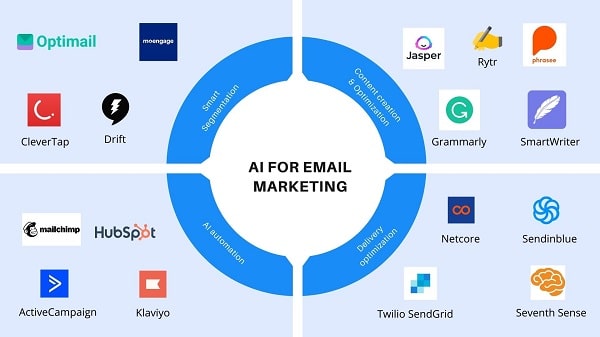
Tools designed for online stores help boost sales and customer engagement. Omnisend offers smooth integration with Shopify and WooCommerce. Klaviyo provides detailed tracking to measure sales impact. Drip focuses on personalized campaigns that increase repeat purchases. These tools also support SMS marketing for multi-channel outreach.
Beginners And Small Business Options
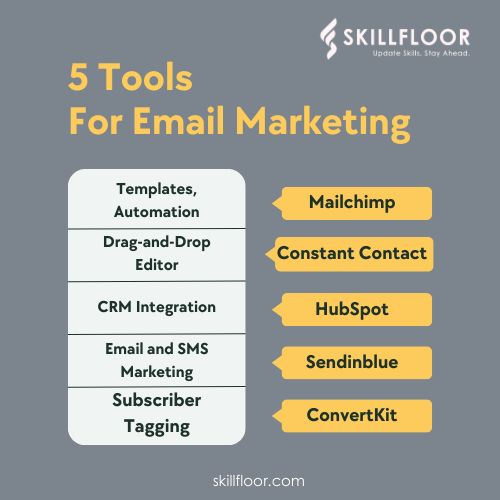
Simple and affordable tools suit beginners and small companies. MailerLite features an easy drag-and-drop editor and clear reporting. Constant Contact offers user-friendly templates and good support. Moosend provides cost-effective plans with basic automation. These options help users create effective campaigns without steep learning curves.
Advanced Automation Platforms
Advanced users need powerful automation and integrations. ActiveCampaign stands out with its complex workflows and CRM features. HubSpot combines email marketing with full CRM capabilities. These platforms support lead scoring, segmentation, and behavior tracking. They are ideal for businesses with detailed marketing strategies.
Free Plan Providers
Free plans help new marketers start without upfront costs. MailerLite offers a generous free tier with essential features. Sender provides unlimited emails on its free plan. Omnisend’s free plan includes SMS and email marketing. These tools allow users to test email marketing before upgrading.
Newsletter Specialists
Some tools focus mainly on newsletter creation and distribution. Mailchimp is popular for its design options and ease of use. Beehiiv targets creators wanting to build newsletter audiences. These platforms offer templates and analytics tailored to regular content delivery. They help maintain strong reader engagement over time.
Credit: skillfloor.com
Popular Platforms Overview
Email marketing tools help businesses create and send emails to their customers. Many platforms offer different features and benefits. Choosing the right one depends on your needs. Below is an overview of popular email marketing platforms used by many marketers today.
Mailerlite Features
MailerLite offers a simple and clean interface. It suits beginners and advanced users. You can create emails with drag-and-drop editors. It also provides automation, landing pages, and pop-ups. Tracking tools show how well your emails perform. The platform supports unlimited subscribers on paid plans.
Activecampaign Capabilities
ActiveCampaign is known for its powerful automation. It helps build complex email sequences easily. The platform includes CRM tools for managing contacts. You can segment audiences based on behavior and preferences. It supports multi-channel marketing like email, SMS, and more. Reporting tools give insights into campaign success.
Omnisend Benefits
Omnisend focuses on e-commerce businesses. It combines email marketing with SMS messaging. The platform integrates well with stores like Shopify and WooCommerce. You can automate messages triggered by customer actions. It offers pre-built workflows to save time. Omnisend helps increase sales and customer engagement.
Hubspot Integration
HubSpot is an all-in-one marketing platform. It includes email marketing inside its CRM system. You can personalize emails using contact data easily. HubSpot allows automation based on customer journeys. It provides detailed analytics to measure results. The platform suits businesses wanting marketing and sales tools together.
Mailchimp Strengths
Mailchimp is popular for its newsletter capabilities. It offers many templates and design options. The platform is easy to use and budget-friendly. You can automate basic email sequences. It includes audience segmentation and A/B testing. Mailchimp also supports integration with many apps.
Brevo (sendinblue) Highlights
Brevo, formerly Sendinblue, offers strong email and SMS marketing. It has a free plan with generous limits. The platform supports mass emailing and transactional emails. You can create workflows for automation. Brevo includes contact management and real-time reporting. It suits businesses that send many emails regularly.
Constant Contact Ease
Constant Contact is known for its ease of use. It provides simple tools for email creation and list management. The platform offers templates and event marketing features. You can track campaign performance with reports. It works well for small businesses and beginners. Support options help users get started quickly.
Essential Features To Look For
Choosing the right tools for email marketing involves more than just sending messages. Essential features improve campaign efficiency and engagement. These features help create personalized, timely, and effective emails. Understanding these features aids in selecting the best tool for your needs.
Email Automation
Email automation saves time by sending emails automatically. It triggers messages based on user actions or schedules. This feature helps nurture leads and boost conversions without manual effort.
Segmentation And Targeting
Segmentation divides your audience into groups. Targeting sends relevant emails to specific groups. This increases engagement by delivering content that matches recipients’ interests.
Drag-and-drop Editors
Drag-and-drop editors make designing emails easy. No coding skills are needed. You can create professional-looking emails quickly by moving elements around.
A/b Testing
A/B testing compares two versions of an email. It shows which one performs better. This helps improve subject lines, content, and calls to action for higher results.
Analytics And Reporting
Analytics track how your emails perform. Reports show open rates, clicks, and conversions. These insights help refine your email strategy over time.
Integration Options
Integration connects email tools with other software. It syncs data with CRM, e-commerce, or social media platforms. This streamlines workflows and improves customer experience.
Deliverability Rates
Deliverability rates show the percentage of emails reaching inboxes. High rates mean fewer emails go to spam. Good deliverability ensures your messages get seen by your audience.
Credit: wishpond.com
Choosing The Right Tool
Choosing the right email marketing tool is crucial for your campaign’s success. The tool you pick affects how easily you create emails, manage contacts, and track results. Different tools offer various features, pricing, and support. Understanding your business needs helps in selecting the best one. This section covers key points to consider for finding the right fit.
Assessing Budget And Business Size
Start by knowing how much you can spend. Small businesses usually need affordable tools. Larger companies may invest in advanced options. Some tools offer free plans for beginners. Check pricing tiers and what they include. Make sure the cost matches your business size and growth plans.
Matching Features To Goals
List your marketing goals clearly. Do you need automation or simple newsletters? Some tools excel at e-commerce integration. Others focus on design or CRM connection. Choose a tool with features that meet your specific needs. Avoid paying for functions you won’t use.
Considering Ease Of Use
Pick a tool with a simple interface. Easy drag-and-drop builders save time. Clear navigation reduces mistakes and stress. If you have a small team, choose a tool that does not need much training. User-friendly tools help you launch campaigns faster.
Evaluating Support And Resources
Good customer support matters. Look for tools offering live chat, email, or phone help. Check if they have tutorials and guides. Community forums and knowledge bases are helpful for solving problems. Strong support keeps your campaigns running smoothly.
Additional Resources And Tools
Additional resources and tools enhance your email marketing efforts. They simplify tasks and improve campaign results. Using these tools helps save time and increase efficiency. Explore various add-ons and services that complement your main email platform.
Email Automation Add-ons
Email automation add-ons help customize and expand your email workflows. They allow setting triggers based on user actions. Examples include advanced segmentation, personalized content, and scheduling features. These add-ons improve engagement by sending timely, relevant emails. Many email platforms offer built-in or third-party automation tools.
Third-party Integration Services
Third-party integration services connect your email marketing with other apps. These services link your email platform to CRM, e-commerce, or analytics tools. They sync data automatically, reducing manual work. Popular integrations include Shopify, WooCommerce, Salesforce, and Google Analytics. Integrations help create a seamless marketing ecosystem and better target audiences.
Review And Comparison Sites
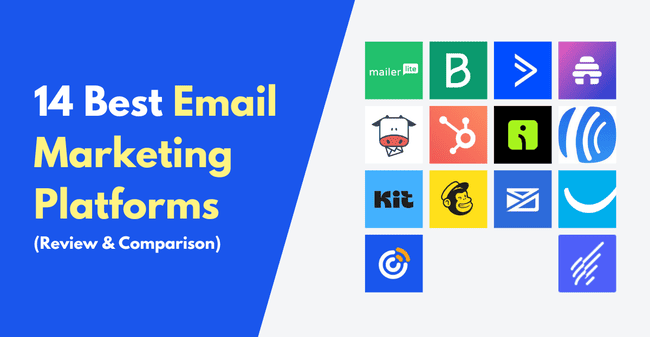
Review and comparison sites provide insights into different email marketing tools. They offer user ratings, pros and cons, and feature lists. These sites help find the best tool for your needs and budget. Examples include G2, Capterra, and TrustRadius. Reading reviews saves time and avoids costly mistakes in tool selection.
Credit: www.emailvendorselection.com
Frequently Asked Questions
What Is An Email Marketing Tool?
An email marketing tool helps businesses create, send, and track email campaigns efficiently. It improves targeting and engagement through automation and analytics.
Which Tool Is Best For Email Marketing?
MailerLite suits beginners with ease and features. ActiveCampaign excels in advanced automation. Omnisend targets e-commerce with SMS. Mailchimp is great for newsletters and design. HubSpot offers all-in-one CRM marketing. Brevo provides strong free plans and mass emailing. Choose based on your needs and budget.
What Are The 5 Ts Of Email Marketing?
The 5 Ts of email marketing are Target, Timing, Tone, Test, and Track. They help optimize campaign effectiveness and engagement.
What Are The 4 P’s Of Email Marketing?
The 4 P’s of email marketing are: Personalization, Permission, Planning, and Performance. They ensure targeted, authorized, well-organized, and measurable campaigns.
Conclusion
Choosing the right email marketing tools can boost your campaign’s success. Focus on your business needs first. Consider ease of use, features, and budget carefully. Tools like MailerLite, ActiveCampaign, and Omnisend fit different goals well. Test a few options to find what works best.
Good tools help you connect with your audience clearly. Keep your emails simple and engaging for better results. Start small, then explore advanced features as you grow. Email marketing tools are valuable for any business aiming to communicate effectively.