Disclosure: this article contains an affiliate link. If you buy through it, we may earn a commission.
Buying puzzle generation software requires looking closely at what the software actually builds, how much manual editing remains, and where you plan to sell the finished pages. This detailed Spy Academy review covers how the application creates themed activity books, which puzzle engines come included, and how practical the tool is for self-publishers targeting digital storefronts.
Is Spy Academy Worth It for Puzzle Book Publishers?
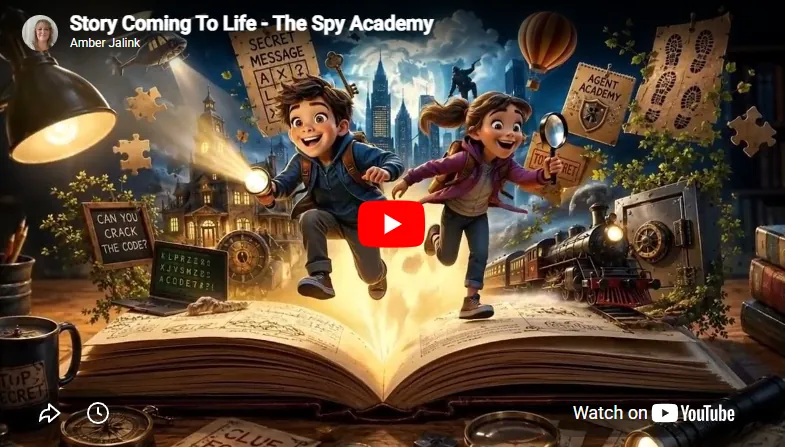
Yes, Spy Academy is worth it if you publish print-on-demand puzzle books or digital download printables and want to target mystery themes without manually scripting secret ciphers. The system speeds up page design by packaging five puzzle engines focused on spy and mystery activities.
The software’s biggest advantage is its speed. Setting up code-breaking activities by hand usually demands hours of substituting characters, checking answer keys, and arranging clues into readable grids. This software handles those steps automatically, letting you generate book interiors in minutes instead of spending weeks compiling individual pages.
What Does Spy Academy Actually Do?
Spy Academy is a cloud-based software tool built for self-publishers and digital product sellers who want to produce mystery-themed puzzle books. Instead of making generic word puzzles, the software creates activities based on secret codes, detective clues, and investigative themes.
Traditional puzzle creation presents several problems:
- Manual cipher construction takes immense time and easily leads to broken clues.
- Standard activity book software usually produces only plain word searches, mazes, or basic sudoku grids.
- Answer keys must be tracked, formatted, and verified by hand to prevent frustrating customer errors.
- Most puzzle niches on major marketplaces are crowded with identical, low-effort designs.
The software automates puzzle creation around spy themes. Export layouts for books or printables.
How Long Does It Take to Build a Complete Puzzle Book?
A publisher can assemble a standard 50-page puzzle book interior in roughly 45 minutes to 2 hours using automated puzzle engines, depending on how much original clue writing you prepare beforehand. Formatting that same volume manually can take between 15 and 30 hours of meticulous drafting.
Here is an honest breakdown of the time required across different production stages:
| Production Stage | Manual Creation Time | Using Spy Academy | Primary Bottleneck |
|---|---|---|---|
| Theme & Clue Writing | 3 to 6 hours | 1 to 2 hours | Writing engaging phrases and messages |
| Puzzle & Grid Generation | 8 to 15 hours | 10 to 20 minutes | Verifying that every cipher decodes cleanly |
| Answer Key Formatting | 3 to 5 hours | 5 to 10 minutes | Keeping answer diagrams matched to page numbers |
| Interior Layout & Margins | 2 to 4 hours | 20 to 40 minutes | Setting proper print margins and trim sizes |
| Total Production Time | 16 to 30 hours | 45 to 130 minutes | Writing custom text prompts |
The primary time investment shifts away from math and alignment toward creative concept work.
The Five Core Puzzle Generators Explained
The application centers around five distinct puzzle engines. Each engine produces a specific activity style that suits different age groups and difficulty levels.
1. Cipher Crackers
Cipher Crackers creates substitution puzzles where letters are replaced by alternative symbols, numbers, or shifted alphabets. Readers decode encrypted mission messages by working out which character corresponds to each symbol.
This generator works well for both kids and adults because you can adjust the cipher complexity. Younger readers prefer straightforward letter-to-number replacements. Older audiences enjoy multi-layered substitution ciphers.
2. Anagram Missions
Anagram Missions takes target words or mission briefs and scrambles them into thematic anagrams. The reader must unscramble the words to uncover a hidden password, suspect name, or secret location.
Instead of presenting an isolated list of unrelated scrambled terms, you can frame the puzzle as a field agent deciphering intercepted radio chatter. This context turns vocabulary practice into a game.
3. Code Breaker Challenges
Code Breaker Challenges asks the solver to deduce correct sequences or numerical locks using conditional hints. Solvers might receive clues such as “one digit is right and well-placed” or “two digits are right but in the wrong spots.”
These puzzles test deductive logic. They appeal to enthusiasts who enjoy grid-based deduction.
4. Secret Message Decoders
Secret Message Decoders hides narrative sentences inside visual decoding grids, wheel layouts, or coordinate keys. Solvers follow instructions to pull specific characters from the grid until the full directive appears.
This format suits story-driven puzzle books. You can construct a narrative where each page reveals the next plot point.
5. Code Word Puzzles
Code Word Puzzles resemble crosswords without written clues. Every letter of the alphabet is replaced by a number between 1 and 26 throughout the entire grid. Solvers start with a few pre-filled letters and use vocabulary patterns to crack the remaining numbers.
These puzzles take a long time to construct manually because every intersecting word must fit a consistent numerical key. The generator builds balanced grids quickly.
What Types of Books Can You Create?
The five engines allow you to produce several commercial formats:
- Children’s Secret Agent Workbooks: Activity packs designed for ages 6 to 10 that use large text, simple substitution ciphers, and short word scrambles centered on junior detective missions.
- Adult Deduction Puzzle Books: Challenging code word grids and complex number-deduction challenges tailored for adult travel entertainment or mental fitness routines.
- Classroom & Homeschool Printables: Single-sheet mystery worksheets that teachers and parents can distribute for spelling drills, history decoding, or critical-thinking exercises.
- Escape Room Home Kits: Printable puzzle sequences where players solve sequential cipher sheets to unlock a final mystery safe or narrative ending.
- Themed Mystery Journals: Creative storybooks where the reader plays a character solving in-universe encrypted dispatches across an overarching storyline.
Commercial Opportunities for Self-Publishers
The mystery and crime fiction field holds immense commercial popularity across global media. According to publishing market research gathered through the U.S. Small Business Administration, understanding specific audience segments and niche saturation is essential for independent commercial survival.
Amazon KDP Print-on-Demand
Amazon buyers frequently search for gifts and specialized brain teaser books. You can combine multiple puzzle types into a unified volume that commands standard book pricing.
Etsy Digital Downloads
Etsy shoppers look for instant activities for parties and classrooms.
Tip: If you sell on Etsy, bundle your puzzle pages into printable spy party kits with faux mission folders, agent badges, and certificate templates to increase their appeal.
Platform and Production Comparison

To understand where Spy Academy fits in your publishing workflow, examine how it compares to alternative methods of producing puzzle books:
| Production Method | Setup Speed | Technical Skill Needed | Puzzle Variety | Ongoing Asset Costs |
|---|---|---|---|---|
| Spy Academy | Fast (minutes per book) | Low (browser-based) | High (5 mystery engines) | Low upfront investment |
| Manual Layout (Canva/InDesign) | Very slow (days per book) | High (grid & typography work) | Unlimited, but manual | Subscription software fees |
| Generic Puzzle Software | Fast (minutes per book) | Low (automated tools) | Narrow (standard word search/mazes) | Ongoing monthly fees |
| Freelancer Outsourcing | Slow (communication delays) | None (delegated) | Variable by contractor | High cost per page |
Using general graphic design tools gives you full visual freedom, but designing code-breaking keys by hand introduces frequent typos that can ruin a puzzle.
Is It Safe to Rely on Automated Puzzle Generators for Publishing?
Yes, it’s safe to use automated puzzle software for commercial publishing, provided you format the book properly and review the files before uploading them to retail platforms.
- Check the inner margins (gutter) to ensure decoded messages don’t disappear into the book binding.
- Review font sizing to make sure ciphers and code symbols remain easily readable when printed on standard paper.
- Verify that the generated solution pages match the page numbers in your table of contents.
- Add unique front matter, instructions, and narrative framing so your book offers genuine value to buyers.
Tip: Always order a physical author proof copy before making your book live on Amazon to ensure small cipher symbols print cleanly on physical book stock.
How to Build a Spy Puzzle Book from Scratch
If you want to assemble an activity book efficiently, follow this structured production process:
- Select your target audience and reading level. Decide whether the volume suits young children, teenagers, or adults, as this controls your vocabulary complexity and puzzle density per page.
- Draft a cohesive theme or narrative framing. Create an overarching setting, such as international espionage, forensic investigation, or historical wartime code-breaking, to link the puzzles together.
- Compile your core word lists and hidden messages. Write out the secret phrases, suspect clues, and vocabulary terms you want solvers to uncover before opening the generators.
- Generate the puzzle layouts across all five styles. Run your text through the five engines to create a balanced mix of cipher crackers, anagrams, code breakers, secret messages, and code words.
- Export the puzzle pages and corresponding answer keys. Keep your master puzzle images organized in numbered folders so that puzzles and solutions match accurately.
- Assemble the interior pages inside a layout program. Combine your puzzles, instructions, mission briefings, and solutions into a single document formatted with proper trim sizes and gutter margins.
- Export a print-ready PDF file and inspect every page. Verify that the document meets margin limits, check that numbers align correctly, and confirm image sharpness before submitting it for distribution.
What Mistakes Ruin Themed Activity Books?
Even when using good software, publishers often make common mistakes that lead to negative customer reviews and returned books.
Why Are Customers Complaining About Puzzle Difficulty?
Difficulty issues arise when puzzle rules don’t match the intended age group. Conversely, if a children’s cipher uses multi-step substitution rules or difficult vocabulary, young readers give up quickly. Always define your age bracket clearly and adjust the clue mechanics to fit.
Why Do Print Files Get Rejected by KDP?
Print files are almost always rejected due to margin and bleed errors. Activity books require wider inner margins than standard fiction novels because users must write directly on the page without cracking the spine. Ensure your layout leaves at least 0.5 inches on outside borders and up to 0.75 inches along the inside gutter.
Why Are Puzzle Books Getting Low Ratings for Usability?
Poor reviews stem from clunky user experience. If your book leaves too little blank space for readers to write their notes, decode letters, or scratch out calculations, it becomes frustrating to use.
Who Is Spy Academy For?
This application is best suited for:
- Independent KDP Authors: Publishers who want to release medium-content activity books in an underserved, high-interest genre without paying freelance illustrators or coders.
- Etsy Printable Sellers: Creators looking to expand their digital storefronts with printable detective party games, classroom activities, and kids’ travel packs.
- Homeschool Parents and Educators: Teachers and parents who want to generate custom learning activities that disguise reading and logic drills as secret agent assignments.
- Niche Marketers: Digital entrepreneurs seeking a distinct angle that stands out from oversaturated standard puzzle formats.
Who Is Spy Academy NOT For?
This tool isn’t recommended for:
- General Fiction Authors: Writers looking for formatting tools for novels, memoirs, or standard text-heavy books.
- Traditional Word Search Publishers: Creators who only want to build basic word find books, standard mazes, or traditional math worksheets.
- Publishers Expecting Hands-Free Income: Software speeds up layout production, but you still have to conduct keyword research, build book covers, and market your products.
Critical Factors to Confirm Before Buying
Before purchasing any software license, evaluate your existing toolset and business setup:
- Cover Creation: Spy Academy generates interior puzzle content. You’ll still need graphic software or cover templates to design attractive front and back covers for print platforms.
- File Merging Software: You need a method to compile individual exported puzzle files into a single master PDF document with page numbers.
- Target Audience Definition: Ensure you have a clear plan for whether you’re marketing to parents of young children, teachers, or adult puzzle fans.
Related guides
Frequently Asked Questions
Can I sell books made with Spy Academy commercially?
The puzzles are designed for commercial use. You can compile the generated pages into physical print books sold through platforms like Amazon KDP or sell them as printable PDF downloads on storefronts like Etsy.
Does the software work on Mac and Windows computers?
Spy Academy is a cloud-based platform accessible through modern browsers. Because the processing runs on remote servers, it works on Windows, macOS, and ChromeOS without requiring local software installations or heavy computing hardware.
Do I need design experience to use the puzzle engines?
The software handles visual arrangement, cipher generation, and solution matching automatically. You only need to type or paste your words, phrases, and clues, and the application creates the puzzle diagrams for you.
What age groups can these mystery puzzles target?
The engines accommodate children and adults. You can create simple, large-print substitution ciphers and word scrambles for early readers, or assemble complex, dense code word and number deduction challenges for adult puzzle enthusiasts.
Can I customize the words and hidden messages inside the puzzles?
You provide your own clue words, secret sentences, and mission passwords. This flexibility allows you to tailor your puzzles to specific historical eras, holiday themes, school grade levels, or imaginative detective stories.
To start building themed activity books that capture buyer attention in the mystery niche, you can test out Spy Academy and begin assembling your first printable mission interior.
Conclusion
If you’re ready to start building your own activity books, grab a copy and test it with a few simple pages today. It’s a great way to see if the software fits your workflow. Don’t wait too long, as getting your first project onto a digital storefront is the best way to learn.