Are you tired of drowning in a sea of unread emails every day? Managing your inbox doesn’t have to feel like an endless chore.
The right email management tool can transform how you handle messages—saving you time, reducing stress, and boosting your productivity. But with so many options out there, how do you choose the best one for your unique needs? Whether you’re working solo or collaborating with a team, this guide will help you discover the perfect tool that fits your workflow and keeps your inbox under control.
Keep reading to find out which email management solution can make your digital life easier and more efficient.
Top Email Tools For 2026
Choosing the right email management tool in 2026 can boost your work efficiency. Different tools suit different needs. Some focus on AI features, others on team work or personal use. Exploring top options helps find the best fit for your inbox.
AI-powered managers use smart technology to sort and prioritize emails. They reduce clutter by filtering important messages automatically. Tools like SaneBox and Clean Email help keep your inbox clear. These apps save time by handling routine tasks for you.
Team collaboration tools allow multiple users to manage emails together. Shared inboxes and real-time chat improve communication. Missive and Front are popular choices for teams working on customer support or projects. These apps keep everyone updated and organized.
Individual productivity apps focus on personal email efficiency. Superhuman and Mailbird offer fast email triage and smart shortcuts. They help users manage large volumes of emails with ease. These tools are ideal for busy professionals needing quick access.
Ecosystem-specific tools work best within certain platforms. Gmail and Outlook lead with strong integration of calendars and contacts. These tools fit users who rely heavily on a single email service. They offer seamless syncing and familiar interfaces.
Free and open-source options provide flexible email management without cost. Thunderbird is a well-known open-source client with many add-ons. These tools suit users who want customization and control. They often support multiple accounts and standards.
Ai-powered Email Managers
AI-powered email managers help sort and organize emails automatically. They reduce clutter and save time. These tools use smart technology to prioritize important messages. They also clean up unwanted emails quickly. AI email managers improve productivity by handling routine tasks. Many options offer unique features for different needs.
Sanebox Smart Sorting
SaneBox moves less important emails out of the inbox. It learns which emails matter most to you. The tool sorts messages into folders like “SaneLater” or “SaneNews.” This way, important emails stay visible. It also sends daily summaries of low-priority emails. SaneBox works with any email service.
Clean Email Inbox Cleanup
Clean Email groups emails by sender, subject, or date. You can delete, archive, or move many emails at once. It finds newsletters, social updates, and old emails fast. The tool helps unsubscribe from unwanted lists easily. Clean Email keeps your inbox tidy and manageable. It supports multiple email accounts in one place.
Superhuman Speed And Ai
Superhuman focuses on fast email triage and response. It uses AI to highlight key information in emails. The tool offers shortcuts to handle emails quickly. Superhuman also shows read statuses and follow-up reminders. It is popular among professionals who need speed. The clean interface reduces distractions.
Mailbird Unified Accounts
Mailbird combines multiple email accounts into a single inbox. It supports Gmail, Outlook, and others. Mailbird offers customizable layouts and easy navigation. The tool integrates with apps like calendars and messaging. It includes AI features to suggest replies and organize emails. Mailbird helps manage emails smoothly from one place.
Team Collaboration Tools
Team collaboration tools help groups manage emails together with ease. They keep communication clear and tasks organized. These tools allow multiple users to access shared inboxes and reply quickly. Teams avoid duplication and missed messages. They improve response times and customer satisfaction.
Choosing the right tool depends on your team size and workflow needs. Some tools focus on small businesses, while others suit larger support teams. Here are some popular options for team email management.
Missive For Small Businesses
Missive combines email and chat in one platform. It allows small teams to share inboxes and assign tasks. Users can comment on emails internally before sending replies. This feature reduces errors and keeps everyone updated. Missive also supports mobile and desktop apps for work on the go.
Front Shared Inboxes
Front offers a shared inbox designed for team collaboration. It centralizes emails from multiple accounts into one place. Teams can add private notes and tag colleagues. Front integrates with popular apps like Slack and Salesforce. This boosts productivity and keeps all conversations connected.
Help Scout Customer Support
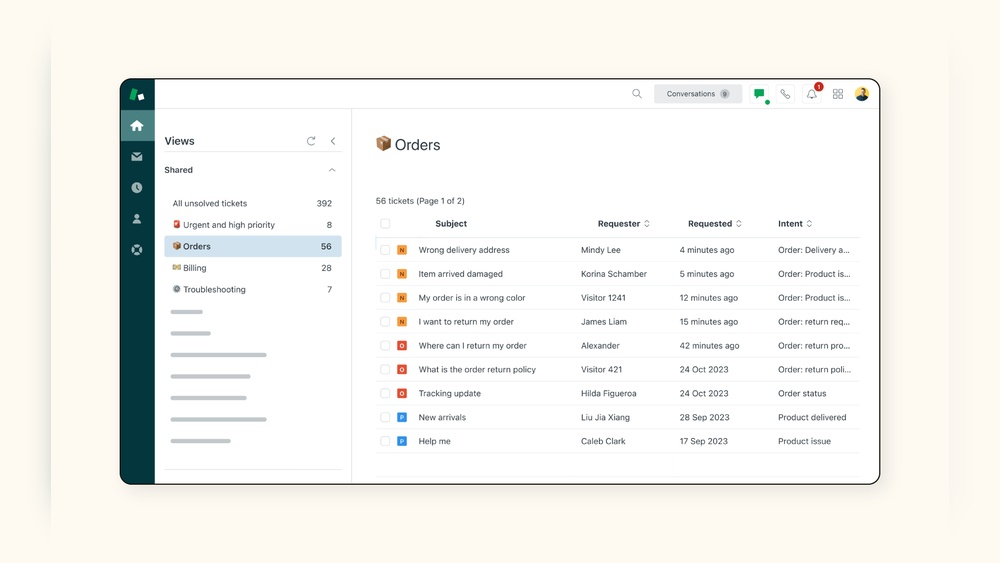
Help Scout is built for customer support teams. It provides shared inboxes with powerful automation. Teams can create workflows to route emails to the right agents. Help Scout also tracks customer history for personalized replies. It makes managing support requests simple and fast.
Hiver Gmail Support Desk
Hiver turns Gmail into a shared support desk. Teams manage customer emails without leaving Gmail. Users can assign emails, add notes, and track status. Hiver’s simple setup suits teams familiar with Gmail. It helps teams stay organized without learning new software.
Credit: wingassistant.com
Individual Productivity Apps
Individual productivity apps help manage emails by focusing on personal efficiency. These tools offer features that save time and reduce inbox clutter. They fit well with daily tasks and help users stay organized. Choosing the right app depends on what features improve your workflow the most.
Speed And Efficiency Features
Fast email sorting and quick replies boost productivity. Many apps use keyboard shortcuts to speed up navigation. Features like email snoozing let users handle messages later. A clean, simple interface helps focus on important emails. These tools reduce the time spent on email management.
Automation And Ai Assistance
Automation cuts down repetitive tasks and saves effort. AI can categorize emails into folders automatically. Smart replies suggest quick answers based on the message content. Some apps learn from user behavior to prioritize emails. These features reduce manual sorting and keep inboxes tidy.
Integration With Calendars And Crms
Connecting emails with calendars helps schedule meetings easily. CRM integration links customer information directly to emails. This connection improves communication and follow-up speed. Apps sync tasks and reminders across platforms. Integration creates a smooth workflow between email and other tools.
Ecosystem-specific Options
Choosing the best email management tool often depends on the digital ecosystem you use daily. Many tools work best when they fit seamlessly into your existing workflow. Ecosystem-specific options offer tight integration, making email handling faster and simpler. These tools are designed to work smoothly with popular platforms, ensuring fewer disruptions and better productivity.
Gmail For Google Users
Gmail is ideal for those using Google services. It offers strong spam filtering and smart categorization. Google Workspace users benefit from seamless integration with Google Drive, Calendar, and Meet. Gmail’s search function is powerful, helping users find emails quickly. Extensions and add-ons expand its capabilities without leaving the Google ecosystem.
Microsoft Outlook Integration
Outlook suits users tied to Microsoft products. It syncs well with Office apps like Word and Excel. Outlook supports calendar sharing and task management within the same platform. Its Focused Inbox feature helps prioritize important messages. Teams and SharePoint integration make it a solid choice for businesses.
Hubspot And Mailchimp For Marketing
HubSpot and Mailchimp focus on marketing professionals. They combine email management with customer relationship management (CRM). Both platforms allow easy segmentation and automation of email campaigns. Tracking tools provide insights on open rates and clicks. They help streamline marketing workflows and nurture leads effectively.
Free And Open-source Solutions
Free and open-source email management tools offer great options for users who want control without extra costs. These solutions provide flexibility, strong community support, and transparency in how your data is handled.
Many free tools include essential features like filtering, tagging, and easy customization. They suit individuals and small teams aiming to organize emails efficiently without subscription fees.
Thunderbird Desktop Client
Thunderbird is a popular open-source desktop email client by Mozilla. It supports multiple email accounts in one place. The interface is simple and easy to navigate.
Users can customize Thunderbird with add-ons and extensions. It offers strong spam filters and powerful search options. Thunderbird also supports encryption for safer email communication.
Its offline mode lets you read and write emails without internet. The desktop client works on Windows, Mac, and Linux systems.
Zoho Mail Security And Privacy
Zoho Mail offers a free plan with advanced security and privacy features. It uses encryption to protect your emails in transit and storage. Zoho follows strict privacy policies and does not display ads.
The interface is clean and user-friendly, with options to organize emails using folders and tags. Zoho Mail supports IMAP and POP access, so you can use it with other email clients.
It also provides two-factor authentication to add extra account protection. Zoho’s free plan includes sufficient storage for personal and small business use.
Choosing The Right Tool
Choosing the right email management tool is important for staying organized and productive. The best tool fits your specific needs and work style. Many options exist, each with unique strengths. Understanding your requirements helps narrow down the choices.
Consider how you handle emails daily and what features matter most. The right tool makes email easier and faster to manage. It reduces stress and saves time.
Personal Vs Team Needs
Personal email management tools focus on individual use. They help sort, filter, and prioritize messages. These tools often include AI to clean your inbox and highlight important emails. Examples include SaneBox and Clean Email.
Team email tools support collaboration. They offer shared inboxes and allow multiple users to manage emails together. Features like assigning emails and internal notes improve teamwork. Missive and Front are popular for team use.
Marketing Vs Support Focus
Marketing email tools help manage campaigns and track engagement. They often include automation for sending follow-ups and segmenting contacts. Such tools integrate with CRM systems to streamline marketing efforts.
Support-focused tools organize customer inquiries into tickets. They prioritize urgent issues and track resolution status. Tools like Freshdesk and Help Scout specialize in customer support management.
Key Features To Consider
Look for AI assistance that sorts and prioritizes emails automatically. Automation features save time by handling routine tasks. Unified inboxes let you manage multiple email accounts in one place.
Integration with calendars, CRMs, and other software improves workflow. Easy search and filtering options help find emails quickly. Security features protect sensitive information.

Credit: www.contactmonkey.com

Credit: www.wpbeginner.com
Frequently Asked Questions
What Is The Best Email Management Software?
The best email management software varies by need. Missive and Front excel in team collaboration. SaneBox and Clean Email offer AI-driven personal sorting. Superhuman suits professionals needing speed. Gmail and Outlook provide integrated ecosystems. Choose software with AI, automation, unified inboxes, and tool integrations for optimal management.
Is There A Better Email Manager Than Outlook?
Several email managers surpass Outlook in features. Missive and Front excel in team collaboration. SaneBox and Clean Email offer smart AI sorting. Superhuman enhances speed and triage. Choose based on your needs for automation, shared inboxes, or personal productivity.
Can Chat Gpt Organize My Emails?
ChatGPT can help organize your emails by suggesting categories, drafting responses, and summarizing content. It doesn’t directly manage inboxes.
What Is The Best Way To Organize My Emails?
Organize emails by creating folders and labels for categories. Use filters to automate sorting and archive old messages. Prioritize important emails and delete unnecessary ones regularly. Consider AI tools like Clean Email or SaneBox for smarter management and faster inbox control.
Conclusion
Choosing the best email management tool depends on your specific needs. Some tools work well for teams, while others suit personal use better. Features like automation, AI sorting, and shared inboxes improve productivity. Consider how the tool fits with your other apps.
Test a few options to find what feels right. Managing emails should become easier, not more complex. The right tool helps keep your inbox organized and stress-free. Take your time and pick the one that fits your workflow best.