Are you ready to unlock the full power of email marketing for your business? Knowing how to use email marketing tools can transform the way you connect with your audience, boost your sales, and grow your brand.
But with so many options and features out there, it’s easy to feel overwhelmed or unsure where to start. This guide will walk you through the essential steps to master these tools, so you can create compelling campaigns that grab attention, build trust, and drive real results.
Keep reading, and you’ll discover simple, practical tips that make email marketing work for you—no jargon, no confusion, just clear action you can take today.
Choosing The Right Tool
Choosing the right email marketing tool is key to your campaign’s success. The tool should fit your business needs and be easy to use. Many platforms offer different features and pricing plans. Understanding what each tool provides helps you pick the best one. Focus on features, usability, and cost to make a smart choice.
Comparing Popular Platforms
Popular platforms include Mailchimp, ActiveCampaign, and Brevo. Mailchimp is great for beginners with simple drag-and-drop editors. ActiveCampaign offers advanced automation and CRM integration. Brevo provides affordable plans and easy email design. Each platform has strengths that suit different business types.
Key Features To Look For
Look for automation capabilities to save time. Email templates help create professional messages quickly. List management tools keep your contacts organized. Analytics show how your emails perform. Integration with other apps improves workflow. Mobile-friendly design ensures emails look good on phones.
Budget Considerations
Pricing varies by number of contacts and features offered. Some tools have free plans with basic options. Paid plans usually unlock advanced features and higher limits. Consider monthly fees versus value provided. Choose a tool that fits your budget and grows with your business.
Credit: zapier.com
Building Your Email List
Building your email list is a key step in email marketing success. A strong list helps you reach more people interested in your business. It creates a direct way to share updates, offers, and news. Growing this list takes smart strategies and good tools. Here are some ways to build your list effectively.
Capturing Leads Effectively
Capturing leads means collecting contact details from potential customers. Use clear calls to action on your website and social media. Offer something valuable like a free guide or discount. This motivates visitors to share their email addresses. Keep the process simple and quick to increase signups.
Using Signup Forms
Signup forms are the main tool for gathering emails. Place forms where visitors can easily find them. Common spots include your homepage, blog posts, and checkout pages. Customize forms to match your brand and message. Ask only for necessary information to avoid scaring people away.
Importing Existing Contacts
If you already have contacts, import them into your email marketing tool. This saves time and keeps all emails in one place. Make sure you have permission to email these contacts. Clean your list by removing outdated or incorrect addresses. This improves your email deliverability and engagement rates.
Segmenting Your Audience
Segmenting your audience is key to effective email marketing. It helps send the right message to the right people. This approach increases engagement and improves campaign results. By dividing your list into smaller groups, you can focus on specific interests and needs.
Each group receives content that feels personal and relevant. This method reduces unsubscribes and boosts click rates. Email marketing tools make segmenting simple and fast. They provide options to sort contacts by various factors.
Demographic Segmentation
Demographic segmentation divides your audience by basic traits. Age, gender, location, and income are common categories. This data helps tailor emails that match the group’s profile. For example, promoting local events to subscribers in a certain city.
This method improves message relevance. It also avoids sending irrelevant offers to unrelated groups. Many email tools let you upload demographic data easily. Use this feature to create focused campaigns that speak directly to each segment.
Behavior-based Segmentation
Behavior-based segmentation groups subscribers by their actions. Opens, clicks, purchases, and website visits are key behaviors. Tracking these helps understand what interests your audience. For instance, send follow-up emails to those who clicked a product link.
This technique targets engaged users with content they want. It can increase sales and build loyalty. Email marketing platforms usually track user behavior automatically. Use this data to send timely and meaningful messages.
Personalized Targeting
Personalized targeting goes beyond simple segments. It uses detailed data to customize each email. Names, past purchases, and preferences create a unique message. Personalized emails feel more human and build trust.
Email tools often offer dynamic content blocks. These change parts of the email based on who reads it. This approach increases open rates and encourages action. Personalization helps make every subscriber feel valued and understood.
Designing Effective Emails
Designing effective emails is key to capturing your audience’s attention. Well-crafted emails increase clicks and engagement. They build trust and encourage readers to act.
A good design balances visuals with clear, simple text. It guides readers smoothly through the message. Thoughtful design helps your emails stand out in crowded inboxes.
Using Templates And Drag-and-drop Editors
Email marketing tools offer ready-made templates. These templates save time and ensure a professional look. Drag-and-drop editors let you customize without coding skills. You can add images, buttons, and text blocks easily. This flexibility helps create emails that fit your brand style.
Balancing Text And Images
Too many images can slow down loading or trigger spam filters. Too much text may bore readers. Aim for a clear balance. Use images to highlight key points. Keep paragraphs short and easy to read. This mix keeps readers interested and improves message clarity.
Crafting Compelling Subject Lines
The subject line is the first thing readers see. It decides if they open your email or not. Use clear, simple language. Create curiosity or offer value. Avoid long or confusing phrases. A good subject line increases open rates and starts the conversation.
Automating Campaigns
Automating campaigns saves time and increases efficiency in email marketing. It allows you to send the right message at the right moment without manual work. Automation helps maintain consistent communication with your audience. It also boosts engagement by delivering timely, relevant content. Setting up automated campaigns is easier than many think.
Setting Up Workflows
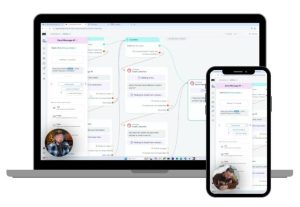
Workflows are sequences of automated emails triggered by user actions. Start by defining the goal of your workflow, such as welcoming new subscribers or promoting a product. Choose the triggers that start the workflow, like signing up or clicking a link. Then, design the email sequence with clear messages and calls to action. Test your workflow to ensure it runs smoothly before launching.
Trigger-based Messaging
Trigger-based messages send emails based on specific user behaviors. These triggers can be actions like opening an email, visiting a webpage, or making a purchase. This method ensures messages are timely and relevant. For example, send a thank-you email after a purchase or a reminder if a cart is abandoned. Trigger-based messaging improves customer experience and increases conversion rates.
Nurturing Leads Automatically
Lead nurturing uses automated emails to guide prospects through the sales funnel. Send helpful content that matches their interests and needs. Gradually introduce your products or services to build trust. Use personalized emails based on user data to make messages more engaging. Automated lead nurturing saves time and helps convert prospects into customers.
Testing And Optimization
Testing and optimization play a vital role in successful email marketing campaigns. They help improve engagement and ensure emails reach the right audience effectively. Regular testing shows what works best for your subscribers. Optimization refines your strategy based on data, increasing your campaign’s impact.
A/b Testing Email Elements
A/B testing compares two versions of an email to see which performs better. Test subject lines, images, or call-to-action buttons. Send each version to a small group of your audience. Measure which email gets more opens or clicks. Use the winning version for the rest of your list.
This method helps identify the most appealing email features. Small changes can significantly boost your results. Keep tests simple by changing one element at a time. This way, you know exactly what caused the difference in performance.
Analyzing Open And Click Rates
Open rates show how many people opened your email. Click rates reveal how many clicked links inside. These metrics indicate how well your email grabs attention and drives action.
Track these rates after every campaign. Compare different emails to find patterns. Low open rates may mean your subject line needs work. Low click rates suggest your content or call-to-action should improve. Use this data to make informed adjustments.
Improving Deliverability
Deliverability means your email reaches the inbox, not the spam folder. Poor deliverability wastes effort and lowers campaign success.
Keep your email list clean by removing inactive or invalid addresses. Avoid spammy words and excessive punctuation in your emails. Use a consistent sender name and email address. Authenticate your domain with SPF, DKIM, and DMARC records. Monitor bounce rates and feedback loops regularly.
Good deliverability ensures more people see and engage with your emails. It strengthens your sender reputation and boosts overall campaign performance.
Integrating With Other Tools
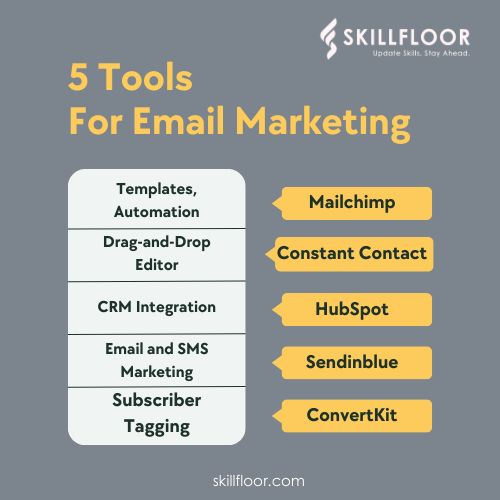
Integrating email marketing tools with other platforms enhances your marketing efforts. This connection allows seamless data flow and better campaign management. It improves customer targeting and saves time. Integrations help you use your tools more effectively and make smarter decisions.
Crm Integration
Connecting your email marketing tool with a CRM system keeps customer data updated. It helps track customer interactions and sales history. This integration allows personalized email campaigns based on customer behavior. It also improves lead management and follow-up processes. CRM integration boosts customer engagement and sales efficiency.
Connecting Social Media
Linking social media accounts with your email marketing tool expands your reach. You can share email campaigns directly on social platforms. This connection helps grow your email list by attracting social followers. It also allows tracking of social engagement linked to your emails. Connecting social media increases brand visibility and interaction.
Using Analytics Platforms
Integrating analytics tools helps measure email campaign performance in detail. You can track open rates, click rates, and conversion data easily. Analytics platforms provide insights into customer behavior and preferences. This data helps optimize future campaigns for better results. Using analytics improves decision-making and marketing effectiveness.
Credit: skillfloor.com
Measuring Campaign Success
Measuring campaign success is a vital step in email marketing. It helps you understand how well your emails perform. Tracking results guides your future decisions and improves your campaigns. Without measuring, you cannot know what works or what needs change.
Tracking Key Metrics
Start by tracking key metrics like open rates, click-through rates, and bounce rates. Open rates show how many people view your email. Click-through rates reveal how many click on links inside. Bounce rates indicate undelivered emails. Tracking these metrics helps assess engagement and list health.
Calculating Roi
Calculate your return on investment (ROI) to see the profit earned. Compare the money gained from sales to the cost of your campaign. A positive ROI means your campaign earns more than it costs. This shows if your email marketing is financially effective.
Adjusting Strategies Based On Data
Use data to adjust your email marketing strategies. If open rates are low, improve your subject lines. If click rates drop, make your content clearer or add better calls to action. Regularly update your approach to match your audience’s preferences and behavior.

Credit: www.mainstreetroi.com
Frequently Asked Questions
How To Do Email Marketing Tools?
Choose an email marketing tool, build and segment your list, create personalized emails, test campaigns, and analyze results to optimize performance.
What Is The 80/20 Rule In Email Marketing?
The 80/20 rule in email marketing means 80% of emails provide value, while 20% promote products or services.
How Much Is A 1000 Email List Worth?
A 1000-email list typically values between $100 to $500, depending on engagement, niche, and quality. Higher quality lists fetch better prices.
What Is The 60 40 Rule In Email?
The 60/40 rule in email means 60% of content should be valuable, while 40% promotes products or services. This balance boosts engagement and trust.
Conclusion
Using email marketing tools can boost your business reach and engagement. Start by choosing the right platform that fits your needs. Build and segment your email list to send targeted messages. Create clear, simple emails that connect with your audience.
Test your campaigns to find what works best. Track results to improve future emails and grow your success. Consistent effort with these tools leads to better communication and sales. Keep learning and adapting your strategies for ongoing improvement. Email marketing remains a strong way to build lasting customer relationships.