Running a small business means juggling many tasks at once. You want tools that make your work easier, faster, and more organized.
But with so many software options out there, it’s easy to feel overwhelmed or unsure about where to start. What types of software can truly help your business grow and save you time? You’ll discover the essential software categories that can boost your productivity, manage your finances, and improve communication—all tailored to fit your unique needs.
Keep reading to find out how the right software can transform your daily operations and give you a real edge over the competition.
Essential Software For Small Businesses
Small businesses need tools that save time and reduce mistakes. Essential software helps manage tasks easily. It improves efficiency and keeps operations smooth.
Choosing the right software lets small businesses focus on growth. The right tools handle money, customers, and projects well.
Accounting And Bookkeeping Tools
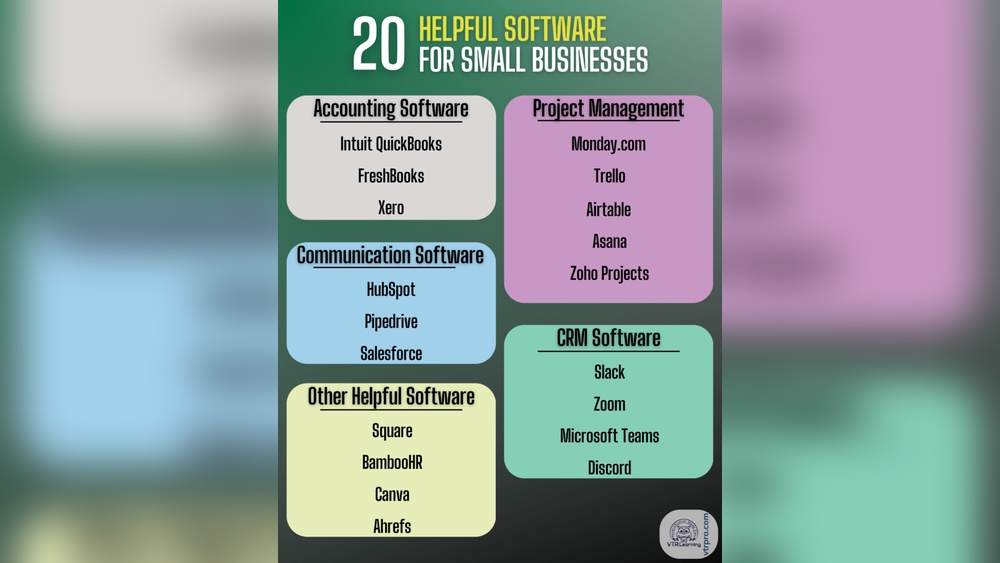
These tools track income, expenses, and taxes. They simplify financial records and reduce errors. Small businesses use them to create invoices and manage bills. Popular options include QuickBooks and Xero. They help keep finances clear and organized.
Customer Relationship Management (crm)
CRM software keeps all customer information in one place. It tracks interactions, sales, and customer support. This helps build better relationships and improve service. Small businesses use CRM to follow up and manage leads. Examples include HubSpot and Zoho CRM.
Project Management Software
Project management tools help plan tasks and deadlines. They keep teams organized and on track. Small businesses use software like Trello and Asana. These tools improve communication and task sharing. They make projects easier to manage and finish on time.
Communication And Collaboration Tools
Communication and collaboration tools help small businesses work better together. These tools allow teams to share ideas, discuss projects, and stay connected. They make daily tasks easier and save time. Many small businesses use these tools to improve teamwork and keep projects on track.
Email And Messaging Platforms
Email remains a key tool for business communication. It helps send important information quickly and clearly. Messaging platforms allow real-time chat between team members. They reduce the need for long meetings and speed up responses. Popular options include Gmail, Outlook, Slack, and Microsoft Teams.
Video Conferencing Solutions
Video calls bring face-to-face meetings online. They are useful for remote teams and client meetings. These tools support screen sharing and recording. They help teams discuss complex topics easily. Zoom, Google Meet, and Microsoft Teams are common choices.
Team Collaboration Apps
Collaboration apps organize work and keep projects visible. They let teams share files, assign tasks, and track progress. These apps reduce confusion and improve productivity. Trello, Asana, and Monday.com help teams stay focused and meet deadlines.
Marketing And Sales Software
Marketing and sales software helps small businesses reach more customers and grow faster. These tools save time and make work easier. They help manage campaigns, connect with buyers, and track sales results.
Using the right software can improve how you send messages and follow up with leads. It also helps keep your social media organized and your sales process smooth. This software fits well with small business needs and budgets.
Email Marketing Tools
Email marketing tools let businesses send messages to many people at once. They help create newsletters, offers, and updates that reach customers directly. These tools often include templates that are easy to use. Small businesses can track who opens emails and clicks links. This information helps improve future campaigns and get better results.
Social Media Management
Social media management software helps schedule and post content on platforms like Facebook and Instagram. It keeps all social accounts in one place. Users can reply to comments and messages quickly. These tools also provide reports on how posts perform. This helps businesses understand what their audience likes.
Sales Automation Software
Sales automation software reduces manual tasks in the sales process. It tracks leads and sends reminders to follow up. This software can create quotes and manage customer information. It helps sales teams stay organized and close deals faster. Small businesses use it to improve customer relationships and increase sales.
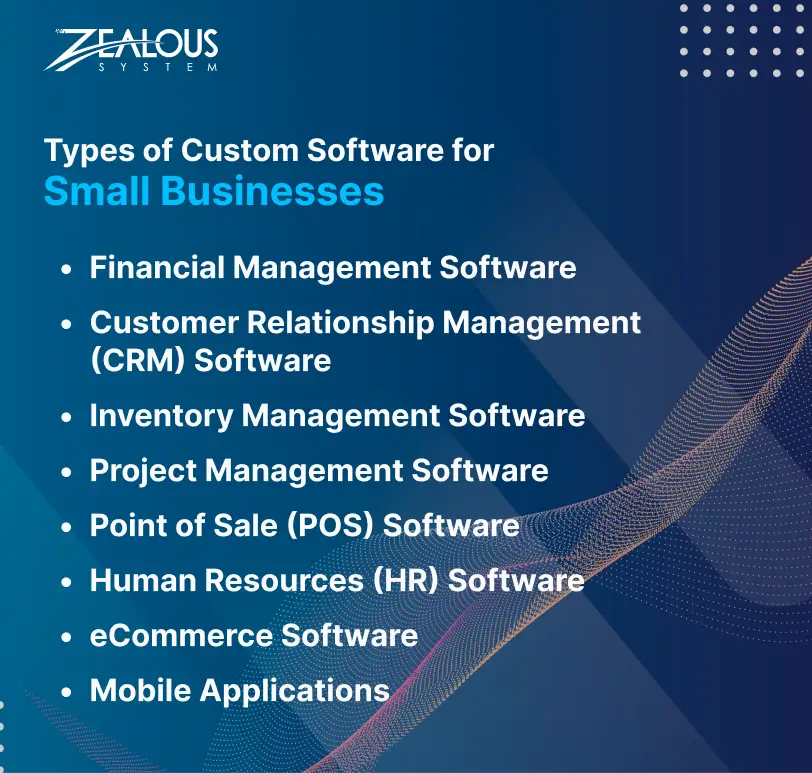
Credit: www.zealousys.com
Inventory And Supply Chain Management
Inventory and supply chain management help small businesses keep products organized and available. These systems track stock levels and manage suppliers. Efficient tools reduce errors and save time. They ensure customers get their orders fast and correctly.
Inventory Tracking Systems
Inventory tracking systems show what products are in stock. They update counts automatically when sales happen. These tools help avoid running out of popular items. They also stop overstocking, which ties up money. Small businesses can see inventory in real-time, making decisions easier.
Order Management Software
Order management software handles customer orders from start to finish. It tracks orders, payments, and shipping details. This software helps businesses process orders quickly. It reduces mistakes like sending wrong items. Clear order tracking improves customer satisfaction and trust.
Security And Backup Solutions
Security and backup solutions are vital for small businesses. They protect important data and keep systems safe from threats. These tools prevent data loss and help recover information quickly. Small businesses face risks like hacking, viruses, and accidental deletion. Using proper software reduces these risks. It also ensures smooth business operations and customer trust.
Antivirus And Malware Protection
Antivirus software stops viruses and malware from damaging your computer. It scans files and blocks harmful programs. This protection keeps your data safe from hackers. Many antivirus tools update automatically to handle new threats. Running regular scans helps catch problems early. Small businesses should pick easy-to-use antivirus software for full protection.
Data Backup And Recovery
Data backup software copies important files regularly. It saves them in a safe place, like the cloud or external drives. If data is lost, backup helps restore it fast. Recovery tools bring back files after crashes or accidental deletes. Backup plans reduce downtime and protect business information. Small businesses must set automatic backups for consistent safety.

Credit: www.starfishetl.com
Human Resources And Payroll Software
Human Resources and Payroll Software helps small businesses manage staff and payments easily. These tools save time by handling many tasks automatically. They reduce errors and keep records organized. Small business owners can focus more on growth and less on paperwork.
Payroll Management Systems
Payroll Management Systems calculate wages and taxes quickly. They ensure employees get paid on time. These systems track bonuses, deductions, and benefits too. They create pay slips and tax reports automatically. This reduces mistakes and avoids legal problems. Many systems also handle direct deposits to bank accounts.
Employee Scheduling And Time Tracking
Employee Scheduling and Time Tracking software helps plan work shifts clearly. It records work hours to ensure accurate pay. Staff can check their schedules easily from phones or computers. Managers see who is working and when. This prevents overlapping shifts or understaffing. Time tracking also supports attendance and leave management.

Credit: www.onstro.com
Frequently Asked Questions
What Software Helps Small Businesses Manage Finances?
Accounting software like QuickBooks and Xero simplifies bookkeeping. It tracks income, expenses, and generates financial reports. These tools help small businesses maintain accurate records and ensure tax compliance efficiently.
Which Software Improves Small Business Customer Management?
Customer Relationship Management (CRM) software like HubSpot and Zoho CRM organizes customer data. It tracks interactions, manages leads, and enhances communication. This improves customer service and boosts sales for small businesses.
How Can Small Businesses Streamline Project Management?
Project management tools such as Trello and Asana help organize tasks and deadlines. They enable team collaboration and progress tracking. These tools increase productivity and ensure projects are completed on time.
What Software Supports Small Business Marketing Efforts?
Marketing software like Mailchimp and Hootsuite automates email campaigns and social media management. They help reach target audiences effectively and measure campaign performance. This boosts brand awareness and customer engagement.
Conclusion
Choosing the right software helps small businesses work better and faster. Tools for accounting, communication, and sales keep things organized. Easy-to-use programs save time and reduce mistakes. Small businesses grow by using software that fits their needs. Start with a few key types and add more as you go.
This approach keeps things simple and effective. Software can support your business every step of the way. Simple tools lead to better results and less stress.