If you’re planning to build a website, understanding the purpose of hosting and domain is key. You might wonder why you need both and how they work together to make your site visible online.
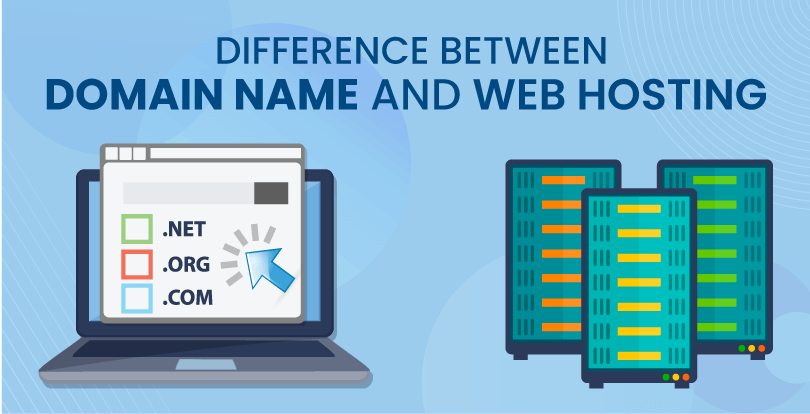
Think of your domain as the address people use to find your website, while hosting is the land where your website lives. Without a domain, visitors can’t find you easily; without hosting, your website won’t have a place to stay.
You’ll discover exactly what hosting and domain do, why they matter, and how they help your website reach the right audience. Keep reading to unlock the simple secrets behind making your website accessible and memorable.
Credit: bigrockcoupon.in
Domain Basics
Understanding domain basics is essential for anyone starting a website. A domain acts as the website’s address on the internet. It helps people find and visit your site easily. Without a domain, visitors would need to remember complex numbers instead of simple names.
This section explains what a domain name is, how domains work, and the domain registration process. These points build a clear picture of how domains function in the online world.
What Is A Domain Name
A domain name is a unique address for a website. It looks like www.example.com. It replaces hard-to-remember IP addresses. Domains make it simple for users to find websites. Each domain name is exclusive and cannot be shared by two websites.
How Domains Work
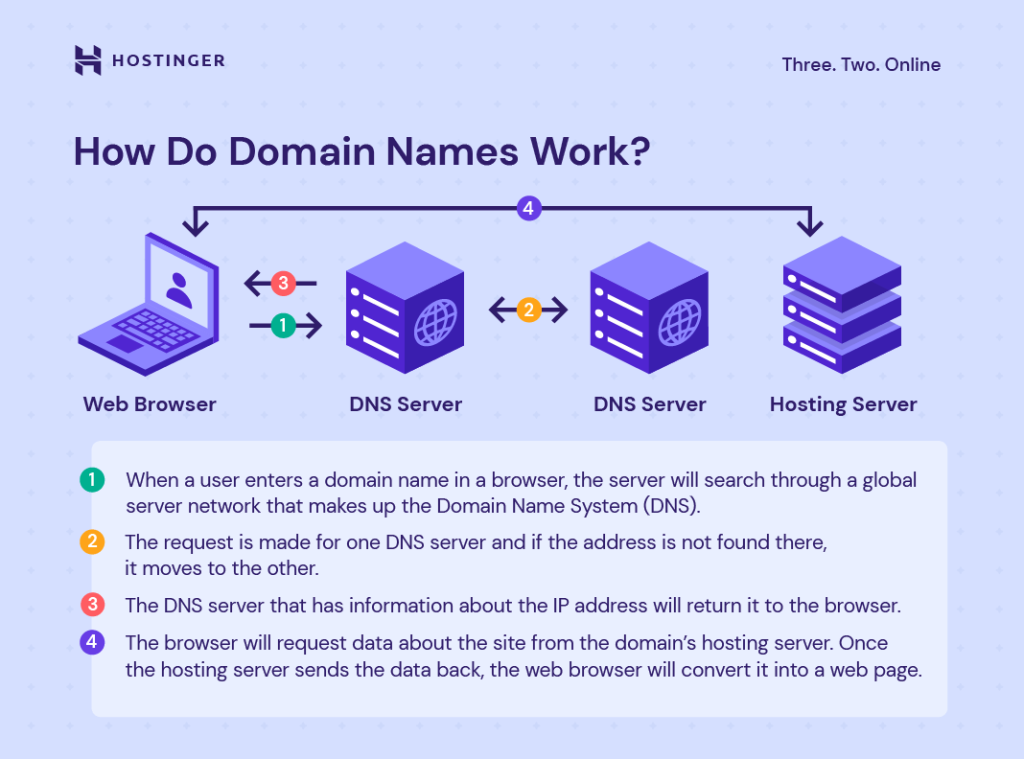
Domains connect users to websites through the Domain Name System (DNS). DNS translates the domain name into an IP address. The IP address points to the server hosting the website. When you type a domain in your browser, DNS finds the right server. This process happens instantly, making the website load quickly.
Domain Registration Process
Registering a domain means reserving the website address. You choose a name and check if it is available. Then, you pay a yearly fee to keep the domain. Registrars manage this process and maintain the domain records. After registration, you own the domain as long as you renew it.
Hosting Essentials
Understanding hosting is key to building a website that works well. Hosting is the foundation that keeps your site online. It stores all your website files and delivers them to visitors. Without hosting, your website cannot be accessed by anyone on the internet.
This section explains hosting essentials. It covers what web hosting is, the types of hosting services, and how hosting supports websites. Each part helps you grasp the role hosting plays in your site’s success.
What Is Web Hosting
Web hosting is a service that stores your website on a server. This server is a powerful computer connected to the internet all the time. When people enter your website address, the server sends your site data to their browser. It makes your site visible and usable anywhere, anytime.
Types Of Hosting Services
Different hosting types fit different website needs. Shared hosting is the most affordable. You share server space with other websites. VPS hosting offers more control by dividing a server into parts for each user. Dedicated hosting means your website has a whole server alone. Cloud hosting uses many servers to keep your site fast and reliable.
How Hosting Supports Websites
Hosting keeps your website live and working properly. It handles data traffic when visitors browse your pages. A good host ensures fast loading and uptime, which means your site stays online without breaks. Hosting also protects your site with security features to prevent attacks or data loss.
Domain Vs Hosting
Understanding the difference between a domain and hosting is essential for creating a website. Both are key parts but serve distinct roles. The domain acts as the address visitors type to find your site. Hosting provides the space where your website lives online. Together, they make your website accessible and easy to find.
Key Differences
A domain is the website’s name, like www.example.com. It tells users where to go. Hosting is the service that stores the website’s files on a server. Without hosting, a website cannot be viewed online. Without a domain, users cannot find the website easily.
How They Work Together
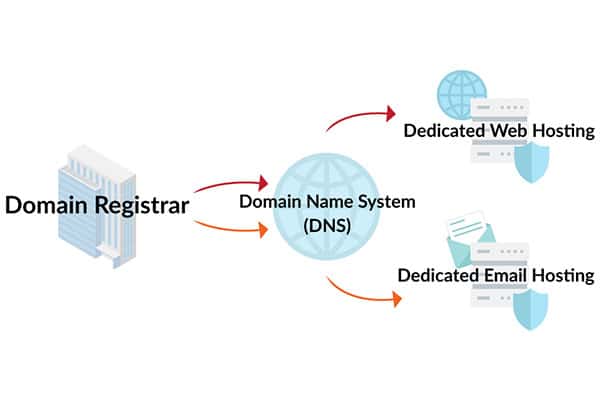
The domain connects visitors to the hosting server. When someone types a domain, the Domain Name System (DNS) finds the hosting server’s IP address. The server then delivers the website files to the visitor’s browser. This teamwork makes the website appear quickly and correctly.
Common Misconceptions
Many think domain and hosting are the same. They are not. Owning a domain does not mean you have a website. Hosting without a domain means no easy way for users to find your site. Both must be purchased and set up separately to build a website.
Credit: www.hostinger.com
Choosing The Right Domain
Picking the right domain name is key to your website’s success. It helps visitors find you easily. A good domain builds trust and supports your brand. It should be clear, simple, and relevant to your content.
Choosing wisely saves time and prevents confusion. It also protects your online identity. Here are some important points to consider when selecting a domain.
Selecting A Memorable Domain
Your domain should be easy to remember and spell. Short names work best for quick recall. Avoid using numbers or hyphens as they cause mistakes. Think about your target audience and their language. Using keywords can help improve search engine ranking.
Domain Extensions Explained
The domain extension is the part after the dot, like .com or .org. .com is the most popular and trusted extension. Other options include .net, .info, and country codes like .us or .uk. Choose an extension that fits your website’s purpose. Some extensions are cheaper but may seem less professional.
Renewal And Ownership
Register your domain for at least one year to keep it active. Domains need to be renewed before expiration to avoid losing them. Keep your contact details updated with the registrar. This ensures you receive renewal reminders. Owning your domain means you control your website address fully.
Picking The Best Hosting
Picking the best hosting is a key step for your website’s success. The right hosting affects speed, security, and uptime. It also impacts how well your site handles visitors. Understanding hosting types helps choose what fits your needs and budget.
Shared Vs Vps Vs Cloud Hosting
Shared hosting means many sites share one server. It is cheap but slower and less secure. VPS hosting splits a server into parts for each user. It offers more power and control than shared hosting. Cloud hosting uses many servers together. It is flexible and scales easily with traffic changes. Cloud hosting often costs more but provides better performance.
Managed Hosting Options
Managed hosting means the provider handles technical tasks. They update software, monitor security, and fix issues. This option suits beginners or busy site owners. Managed hosting can be for shared, VPS, or cloud plans. It costs more but saves time and stress. You get support and expert help when needed.
Factors To Consider
Think about your website type and traffic. Small blogs do well with shared hosting. Growing sites benefit from VPS or cloud hosting. Check the uptime guarantee to keep your site online. Look for good customer support. Consider storage space and bandwidth limits. Security features like backups and SSL help protect your site. Choose a host with easy control panels for managing your site.
Credit: momentum3growth.com
Dns And Website Accessibility
The Domain Name System (DNS) plays a key role in making websites easy to access. It works like a phone book for the internet. DNS translates domain names into IP addresses, helping browsers find the website’s hosting server. Without DNS, typing a web address would not connect you to the right location.
Website accessibility depends on this smooth connection. The domain name guides visitors to the correct hosting server where the website’s files are stored. This process ensures that anyone can visit a site simply by typing its domain name. Understanding DNS helps you see how hosting and domain work together to keep your website live.
Role Of Dns
DNS stands for Domain Name System. It converts domain names into IP addresses. Computers use IP addresses to communicate on the internet. DNS makes it easy for people to use simple names instead of long numbers. This system directs visitors to the exact location of your website hosting server. DNS also caches information to speed up future visits.
Connecting Domain To Hosting
Connecting your domain to hosting requires setting DNS records. These records tell the internet where to find your website files. The most common DNS records are A records and CNAME records. The A record links your domain to the hosting server’s IP address. CNAME records can point subdomains to other domains or services. Proper setup ensures your website loads correctly when typed in a browser.
Troubleshooting Common Issues
Sometimes, websites fail to load due to DNS problems. Common issues include DNS propagation delays and incorrect DNS records. Propagation delay means changes take time to spread across the internet. Incorrect records can point to the wrong server or no server at all. Clearing DNS cache or checking DNS settings often solves these problems. Always verify your domain points to the right hosting server.
Maximizing Website Success
Maximizing website success depends on the right domain and hosting choices. A strong domain name builds trust and recognition. Reliable hosting keeps the site running smoothly. Together, they create a solid foundation for growth.
Optimizing Domain And Hosting
Choose a domain name that is short and easy to remember. Avoid complex spellings to help visitors find your site quickly. Select hosting that matches your site’s needs, balancing speed and cost. Fast hosting improves user experience and search rankings.
Ensuring Site Reliability
Reliable hosting guarantees your website stays online without interruptions. Downtime frustrates visitors and harms your reputation. Use hosting providers that offer strong uptime guarantees and quick support. A dependable domain registration ensures your address stays yours without lapses.
Scalability And Growth
Pick hosting plans that allow easy upgrades as traffic grows. Scalability helps your site handle more visitors without slowing down. Domains should be managed to support expansions, like adding subdomains or new services. Planning for growth keeps your website ready for future success.
Frequently Asked Questions
Why Do I Need A Domain And Hosting?
A domain provides your website’s unique address, while hosting stores your site’s files online. Both are essential to make your website accessible.
What Does Domain And Hosting Mean?
A domain is your website’s unique address on the internet. Hosting stores your website’s files on a server, making it accessible online. Both are essential: the domain helps users find your site, and hosting keeps your site live and running smoothly.
Do I Need Hosting For My Domain?
Yes, you need hosting to store your website’s files online. The domain points visitors to your site’s location. Both are essential for a functional website.
What Is The Main Purpose Of A Domain?
A domain provides a unique, easy-to-remember website address. It directs visitors to your site by linking to its IP address via DNS.
Conclusion
A domain name gives your website a simple, clear address. Hosting stores your website’s files and keeps it online. Both work together to make your site easy to find and visit. Without a domain, people cannot locate your site. Without hosting, your site has no place to live.
Choosing the right domain and hosting helps your website run smoothly. This basic pair forms the foundation of any online presence. Understanding their roles makes building a website much easier.